Physicochemical characterization of a powder of Ardisia compressa Kunth used to manufacture bakery products
Keywords:
Acáchul (Ardisia compressa Kunth), physicochemical characterization, sensory evaluation.Abstract
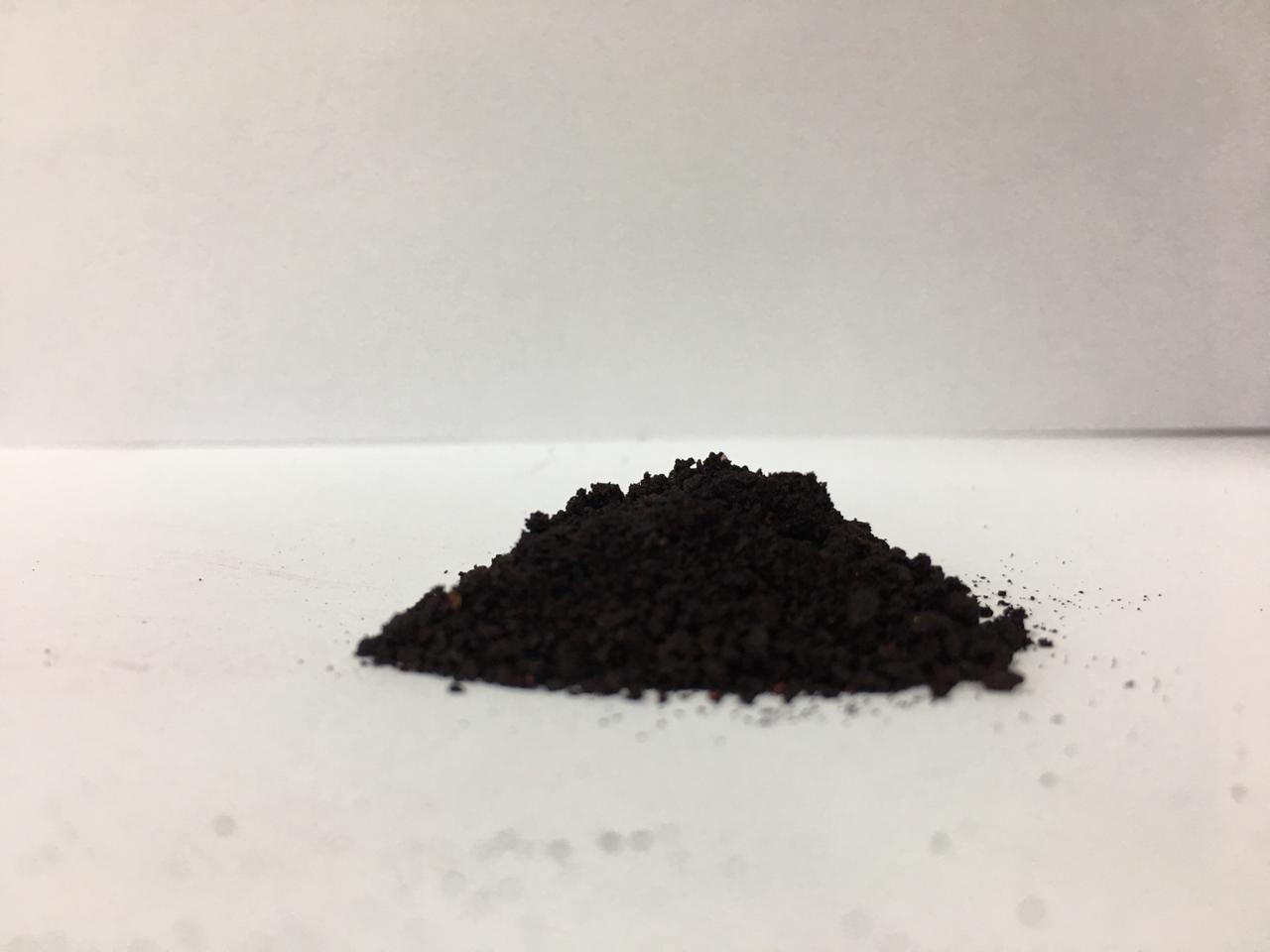
The acáchul (Ardisia compressa Kunth) is a wild shrub that grows in tropical and subtropical regions of the country. Various investigations have shown that the fruits have a high antioxidant capacity, related to their high content of anthocyanins and phenolic compounds. The main objective of this research was to look for consumption alternatives from the obtaining and physicochemical characterization of a powder of the dehydrated fruits of acáchul to later be used as an ingredient in the elaboration of two bakery products such as Polvorones and enriched integral biscuits. with amaranth flour, the experimental methodology consisted of pitting the fruit and separating the seed to dry separately, the pulp was placed in aluminum trays and dehydrated in a convection oven for 40 hours at 60 °C. The dehydrated pulp was ground in a blender until a homogeneous powder was obtained, which was preserved in the absence of light and humidity. The fruit and the dehydrated powder were characterized based on °Brix, pH, titratable acidity (TA), sugars and humidity. The dehydrated pulp was ground in the blender until obtaining a homogeneous powder, which was preserved in the absence of light and humidity, to proceed with the preparation of the bakery products, three formulations were made with different percentages of acáchul powder, in the case
of the integral cookies, 5.7% was used for formulation 1, formulation 2 (11.5%), formulation 3 (19.2%), respectively. For the acáchul Polvorones, test 3 was appropriate since it had a color and flavor characteristic of the fruit, and test 2 was accepted for the whole-grain cookies. A sensory analysis was carried out regarding the attributes: color, aroma, texture, and flavor (Sour and sweet) and overall satisfaction. In the case of the shortbread, a 95% overall acceptability was obtained in the good and excellent categories, and in the case of whole-grain cookies, an acceptability of 38%. These results show that the products were perceived by consumers with a high percentage of acceptance. Therefore, they represent a healthy option as functional foods and very promising consumption in the market.
References
[1] Heredia V. J. (2013). Propiedades fisicoquímicas y antioxidantes de polvos nanoestructurados de Ardisia compressa Kunth. Tesis de Maestría. Universidad Veracruzana de Ciencias Básicas. Xalapa, Veracruz, México.
[2] Joaquín-Cruz E, Dueñas, Garcia-Cruz M, Salinas-Moreno Y, Santos Buelga C, García Salinas C. (2015). Anthocyanin and phenolic characterization, chemical composition and antioxidant activity of chagalapoli (Ardisia compressa K.) fruit: A tropical source of natural pigments. Food Research International. Food Research International. HPLC–DAD–ESI-MS 70 (2015) 151-157. https://doi.org/10.1016/j.foodres.2015.01.033
[3] López-Yerena A., Guerra-Ramírez, D., Vázquez-Sanchez, A., Y González- López, J. (2017). Determinación del potential nutracéutico de frutos de Ardisia compressa K. colectados en Xicotepec de Juárez, Puebla. Revista de Sistemas Experimentales, 4(10), 49–56.
[4] Vázquez-Sánchez AY, Aguilar-Zárate P, Muñiz-Márquez DB, Wong-Paz JE, Rojas R, Ascacio-Valdés JA, Martínez-Ávila GCG. (2019). Effect of ultrasound treatment on the extraction of antioxidants from Ardisia compressa Kunth fruits and identification of phytochemicals by HPLC-ESI-MS. Heliyon 18;5(12): e03058. https://doi.org/10.1016/j.heliyon. 2019.e03058 4.
[5] Lascurain, M., Avendaño, S.D., y Niembro, A. (2010). Guía de frutos silvestres comestibles en Veracruz, Conafor-Conacyt, México.
[6] Vázquez-Sánchez AY y Gallardo-Sandoval A. (2020). Evaluación sensorial de láminas de frutas saludables a base de arándado y acáchul. Red Iberoamericana de Academias de Investigación, A.C. Innovación en Biotecnología 2. México, D.F. México. 131-140.
[7] Shih, P., Chan, Y., Liao, J., Wang, M., Yen, G., (2010). Antioxidant and cognitive promotion effects of anthocinyn-rich mulberry (Morus atropurpurea L) on senescence-acelerated mice and prevention of Alzheimer´s disease. J. Nutr. Biochem. 21, 598-605. https://doi.org/10.1016/j.jnutbio.2009.03.008
[8] Aguilera-Otíz, M., del Carmen Reza-Vargas, M., Chew-Madinaveita, R. G., & Meza-Velázquez, J. A. (2011). Propiedades funcionales de las antocianinas. Biotecnia, 13(2), 16-22.
[9] Kobayashi, H., & De Mejía, E. (2005). The genus Ardisia: a novel source of health-promoting compounds and phytopharmaceuticals. Journal of
Ethnopharmacology, 96(3), 347-354. https://doi.org/10.1016/j.jep.2004.09.037
[10] Vázquez-Sánchez AY, Corfield R, Sosa N, Salvatori D & Schebor C. (2021). Physicochemical, functional, and sensory characterization of apple leathers enriched with acáchul (Ardisia compressa Kunth) powder. LWT -Food Science and Technology 146 (2021) 111472. https://doi.org/10.1016/j.lwt.2021.111472.
[11] Navarro González, I., Periago, M. J., & García Alonso, F. J. (2017). Estimación de la ingesta diaria de compuestos fenólicos en la población española. Revista Española de Nutrición Humana y Dietética, 21(4), 320-326.
[12] Bautista - De León, H. y Torres- Rodríguez. A. (2020). Caracterización fisicoquímica de snacks de frutas de arándano – acáchul. Pp 141-154. Innovacción en Biotecnología II. Editor Daniel Armando Olivera Gómez. Red Iberoamericana de Académias de Investigación A.C.
[13] Corona Leo, Lizbeth Sandra, Hernández-Martínez, Diana Maylet, & Meza-Márquez, Ofelia Gabriela. (2020). Análisis de parámetros fisicoquímicos, compuestos fenólicos y capacidad antioxidante en piel, pulpa y fruto entero de cinco cultivares de manzana (Malus domestica) cosechadas en México. Biotecnia, 22(1), 166-174.
[14] Valle-Guadarrama, Salvador; Ruiz-Sánchez, Xóchitl G., Saucedo-Veloz, Crescenciano, Gómez-Cruz, Adalberto y Marroquín-Andrade, Lila M. 2012. Comportamiento postcosecha de frutos de ilama (Annona diversifolia) en madurez comestible almacenados en atmósfera modificada. Rev. Fitotec. Mex. Vol. 35 (Núm. Especial 5): 75-81.
[15] Millan, Cristobal, D.M. (2021). “Desarrollo de Láminas Frutales a Base de Manzana, Arándano y Acáchul. (Tesis Ingeniería en Biotecnología) Universidad Tecnológica de Xicotepec de Juárez.
[16] Medina y Pagano, (2003). Elaboración de Láminas de Fruta a partir de Arándano (Vaccinium corymbosum) c.v.Elliot y Manzana (Maluspumila Mill.) c.v.Liberty. Tesis para optar al grado de Licenciado en Ingeniería de Alimentos, Universidad Austral de Chile. Facultad de Ciencias Agrarias Escuela De Ingeniería En Alimentos, Valdivia – Chile.