Chihuahuan Desert Plants: Allies in the Fight Against Phytopathogenic Microorganisms
Keywords:
Bioactive components, Phytopathogenic microorganisms, Plant extracts.Abstract
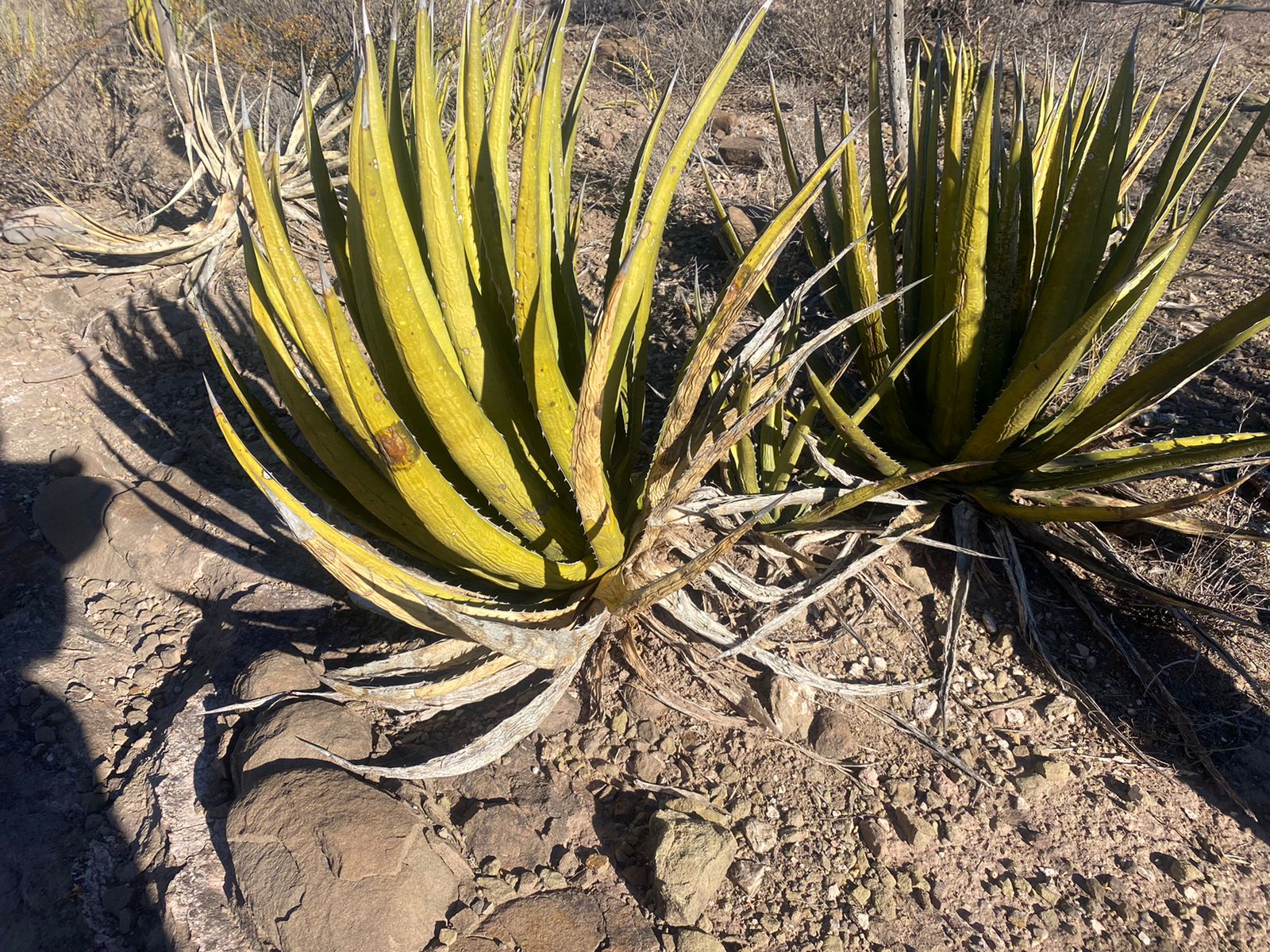
The Chihuahuan Desert boasts a wide variety of plant species, such as creosote bush (Larrea tridentata), hojasen (Flourensia cernua), and lechuguilla agave (Agave lechuguilla), which have adapted to the harsh climatic conditions characteristic of this region. One of the keys to these plants' survival has been the synthesis of various secondary metabolites, including polyphenols, terpenes, and flavonoids. These compounds protect the plants from abiotic and biotic factors, enabling their adaptation to their environment. Due to their biological properties, these secondary metabolites, also known as bioactive compounds, have found diverse applications in various fields, such as agriculture, where their antimicrobial activity against several genera of phytopathogenic fungi and bacteria has been established. This literature review was conducted through a systematic search of Google Scholar, PubMed, SciELO, and Scopus databases, using keywords such as microbiology, bioactive compounds, and plants of the Chihuahuan Desert. The objective of this review is to describe the potential of bioactive compounds present in plants of the Chihuahuan Desert as antagonists of the main phytopathogenic microorganisms, with a focus on their potential sustainable utilization for developing eco-friendly phytosanitary control strategies, both regionally and globally.
References
Abubakar, A.R. y Haque, M. (2020). Preparation of Medicinal Plants: Basic Extraction and Fractionation Procedures for Experimental Purposes. Journal of Pharmacy and Bioallied Sciences, 12(1), 1-10. 10.4103/jpbs.JPBS_175_19
Adedokun, K.A., Imodoye, S., Bello, I.O. y Lanihun, A.A., (2023). Therapeutic potentials of medicinal plants and significance of computational tools in anti-cancer drug discovery, Editor(s): Chukwuebuka Egbuna, Mithun Rudrapal, Habibu Tijjani, En Drug Discovery Update, Phytochemistry, Computational Tools and Databases in Drug Discovery (Pages 393-455). Elsevier. https://doi.org/10.1016/B978-0-323-90593-0.00017-4
Álvarez-Pérez, O.B., Ventura-Sobrevilla, J.M., Ascacio-Valdés, J.A., Rojas, R., Verma, D.K. y Aguilar, C.N. (2020). Valorization of Flourensia cernua DC as source of antioxidants and antifungal bioactives. Industrial Crops and Products, 152, 112422. https://doi.org/10.1016/j.indcrop.2020.112422
Aranda-Ledesma, N.E., González-Hernández, M.D., Rojas, R., Paz-González, A.D., Rivera, G., Luna-Sosa, B. y Martíenz-Ávila, G.C.G. (2022). Essential Oil and Polyphenolic Compounds of Flourensia cernua Leaves: Chemical Profiling and Functional Properties. Agronomy, 12(10), 2274. https://doi.org/10.3390/agronomy12102274
Bautista-Hernández I., Aguilar, C.N., Martínez-Ávila, G.C.G., Torres-León, C., Ilina, A., Flores-Gallegos, A.C., Kumar Verma, D. y Chávez-González, M.L. (2021). Mexican oregano (Lippia graveolens Kunth) as source of bioactive compounds: A review. Molecules, 26(17), 5156. https://doi.org/10.3390/molecules26175156
Bautista-Hernández, I., Aranda-Ledesma, N.E., Rojas, R., Tafolla-Arellano, J.C., Martínez-Ávila, G.C.G. (2021). Antioxidant activity of polyphenolic compounds obtained from Euphorbia antisyphilitica by-products. Heliyon, 7(4), e06734. https://doi.org/10.1016/j.heliyon.2021.e06734
Boiteux, J.J., Vanda Hapon, M., Fernández, M.A., Lucero, Gabriela, S.L. Y Pizzuolo, P.H. (2015). Effect of aqueous extract of chanar (Geoffroea decorticans Burkart) on Botrytis cinerea, as possible alternative for control in post-harvest of table grape. Revista de la Facultad de Ciencias Agrarias UNCuyo, 47, 241-250.
Bolívar-Anillo, H.J., Garrido, C. y Collado, I.G. (2020). Endophytic microorganisms for biocontrol of the phytopathogenic fungus Botrytis cinerea. Phytochemistry Reviews, 19, 721-740. 10.1007/s11101-019-09603-5
Burboa, E.A., Ascacio-Valdés, J.A., Zugasti-Cruz, A., Rodríguez-Herrera, R. y Aguilar, C.N. (2014). Capacidad antioxidante y antibacteriana de extractos de residuos de candelilla. Revista Mexicana de Ciencias Farmacéuticas, 45(1), 51-56.
Cándido del Toro, C.A., Arredondo-Valdés, R., Govea Salas, M., Anguiano Cabello, J.C., Segura-Ceniceros, E.P., Ramos-González, R., Ascacio-Valdés, J.A., Laredo-Alcalá, E.I. y Iliná, A. (2023). Plants of the Chihuahuan Semi-desert for the Control of Phytopathogens. En: Aromatic and Medicinal Plants of Drylands and Deserts. 10.1201/9781003251255-6
Carezzano, M. E., Paletti Rovey, M. F., Cappellari, L. d. R., Gallarato, L. A., Bogino, P., Oliva, M. d. l. M. y Giordano, W. (2023). Biofilm-Forming Ability of Phytopathogenic Bacteria: A Review of its Involvement in Plant Stress. Plants, 12(11), 2207. https://doi.org/10.3390/plants12112207
Castillo-Reyes, F., Hernández-Castillo, F.D., Gallegos-Morales, G., Flores-Olivas, A., Rodríguez-Herrera, R. y Aguilar, C.N. (2015). Efectividad in vitro de Bacillus y polifenoles de plantas nativas de México sobre Rhizoctonia-Solani. Revista Mexicana de Ciencias Agrícolas, 6(3), 549-562.
Chen, C., Cai, N., Chen, J., y Wan, C. (2019). Clove Essential Oil as an Alternative Approach to Control Postharvest Blue Mold Caused by Penicillium italicum in Citrus Fruit. Biomolecules, 9(5), 197. 10.3390/biom9050197
Chen, D., Ju, M., Xie, J. Chen X.L. y Peng, J. (2024). Current progress on pathogenicity-related genes in Fusarium oxysporum f. sp. cubense tropical race 4. Phytopathology Research 6, 53. https://doi.org/10.1186/s42483-024-00274-5
Cheung, N., Tian, L., Liu, X. y Li, X. (2020). The Destructive Fungal Pathogen Botrytis cinerea-Insights from Genes Studied with Mutant Analysis. Pathogens. 9(11), 923. 10.3390/pathogens9110923
Choudhury, D., Dobhal, P., Srivastava, S., Saha, S. y Kundu, S. (2018). Role of botanical plant extracts to control plant pathogens-A review. Indian Journal of Agricultural Research, 52(4), 341-346. 10.18805/IJARe.A-5005
Christaki, E., Bonos, E., Giannenas, I. y Florou-Paneri, P. (2012). Aromatic Plants as a Source of Bioactive Compounds. Agriculture, 2(3), 228-243. https://doi.org/10.3390/agriculture2030228
Coronado-Contreras, S.A., Ruelas-Chacón, X., Reyes-Acosta, Y.K., Dávila-Medina, M.D., Ascacio-Valdés, J.A. y Sepúlveda, L. (2023). Valorization of prickly pear peel residues (Opuntia ficus-indica) using of solid-state fermentation to accumulation of tannins. Preprints. DOI: 10.20944/preprints202309.0895.v1
Costa Almeida, O.A., Oliveira de Araujo, N., Silva Dias, B.H., Sant´Anna Freitas, C., Fender Coerini, L., Ryu, C.M. y Castro Oliveira, J. (2023). The power of the smallest: The inhibitory activity of microbial volatile organic compounds against phytopathogens. Frontiers in Microbiology, 13, 951130. https://doi.org/10.3389/fmicb.2022.951130
Costa, J.H., Bazioli, J.M., Barbosa, L.D., dos Santos Júnior, P.L.T., Reis, F.C.G., Klimeck, T., Crnkovic, C.M., Berlinck, R.G.S., Sussulini, A., Rodrigues, M.L. y Pacheco Fill, T. (2021). Phytotoxic tryptoquialanines produced in vivo by Penicillium digitatum are exported in extracellular vesicles. Genetics and Molecular Biology, 12(1), e03393-20. 10.1128/mBio.03393-20
Cruz-Requena, M., Aguilar-González, C.N., Prado Barragán, L.A., Correia, T., Contreras Esquivel, J.C. y Rodríguez-Herrera, R. (2016). Functional and physico-chemical properties of six desert-sources of dietary fiber. Food Bioscience 16, 26-31. https://doi.org/10.1016/j.fbio.2016.08.001
da Silva, C.M.A., Costa, B.M.S., Silva, A.G., Souza, E.B., Silva, M.V., Correia, M.T.S., Sant´Anna, S.A.P., y de Menezes, L.V.L. (2016). Antimicrobial activity of several Brazilian medicinal plants against phytopathogenic bacteria. African Journal of Microbiology Research, 10(17), 578-583. https://doi.org/10.5897/AJMR2014.6999
De León, M.A., Sáenz, A., Jasso-Cantú, D., Rodríguez, R., Pandey, A. y Aguilar, C.N. (2013). Fermented Flourensia cernua Extracts and Their in vitro Assay Against Penicillium expansum and Fusarium oxysporum. Food Technology and Biotechnology, 51 (2), 233–239.
De León-Zapata, M.A., Saénz-Galindo, A., Rojas-Molina, R., Rodríguez-Herrera, R. y Aguilar, C.N. (2015). Edible candelilla wax coating with fermented extract of tarbush improves the shelf life and quality of apples. Food Packaging and Shelf Life, 3, 70-75. https://doi.org/10.1016/j.fpsl.2015.01.001
Esposito, T., Celano, R., Pane, C., Piccinelli, A.E., Sansone, F., Picerno, P., Zaccardelli, M., Aquino, R.P. y Mencherini, T. (2019). Chestnut (Castanea sativa Miller.) Burs Extracts and Functional Compounds: UHPLC-UV-HRMS Profiling, Antioxidant Activity, and Inhibitory Effects on Phytopathogenic Fungi. Molecules, 24, 302. https://doi.org/10.3390/molecules24020302
Esquivel-Gutiérrez, E.R., Manzo-Ávalos, S., Peña-Montes, D.J., Saavedra-Molina, A., Morreeuw, Z.P. y Reyes, A. (2021). Hypolipidemic and Antioxidant Effects of Guishe Extract from Agave lechuguilla, a Mexican Plant with Biotechnological Potential, on Streptozotocin-Induced Diabetic Male Rats. Plants, 10(11), 2492. https://doi.org/10.3390/plants10112492
Estell, R.E., Fredrickson, E.L. y James, D.K. (2016). Effect of light intensity and wavelength on concentration of plant secondary metabolites in the leaves of Flourensia cernua. Biochemical Systematics and Ecology, 65, 108-114. https://doi.org/10.1016/j.bse.2016.02.019
Estell, R.E., Fredrickson, E.L., Anderson, D.M., Havstad, K.M., Remmenga, M.D. (1998). Relationship of tarbush leaf surface terpene profile with livestock herbivory. Journal of Chemical Ecology 24: 1-12. https://doi.org/10.1023/A:1022399426352
Fernandes, Ch., Casadevall, A. y Gonçalves, T. (2023). Mechanisms of Alternaria pathogenesis in animals and plants. FEMS Microbiology Reviews, 47(6), 1-25. https://doi.org/10.1093/femsre/fuad061
Fillinger, S. y Walker, A.S. (2016) Chemical control and resistance management of botrytis diseases. En: Fillinger, S. & Elad, Y. (Eds.) Botrytis – the fungus, the pathogen and its management in agricultural systems. (pp. 189-216). Switzerland: Springer International Publishing.
Ganchev, D. (2022). Antisporulation action of tarbush plant (Flourensia cernua) towards conidiospores of plant pathogens. Malasyan Journal of Sustainable Agriculture, 6(2), 74-77. 10.26480/mjsa.02.2022.81.84
Gillmeister, M., Ballert, S., Raschke, A., Geistlinger, J., Kabrodt, K., Baltruschat, H., Deising, H.B. y Schellenberg, I. (2019). Polyphenols from Rheum Roots Inhibit Growth of Fungal and Oomycete Phytopathogens and Induce Plant Disease Resistance. Plant Disease, 103(7), 1674-1684. https://doi.org/10.1094/PDIS-07-18-1168-RE
Godlewska, K., Ronga, D. y Michalak, I. (2021). Plant extracts - importance in sustainable agriculture. Italian Journal of Agronomy, 16(2), 1851. https://doi.org/10.4081/ija.2021.1851
Grahovac, J., Pajcin, I., Vlajkov, V., Roncevic, Z., Dodic, J., Cvetkovic, D. y Jokic, A. (2021). Xanthomonas campestris biocontrol agent: selection, medium formulation and bioprocess kinetic analysis. Chemical Industry & Chemical Engineering Quarterly, 27(2), 131-142. https://doi.org/10.2298/CICEQ200508032G
Granados-Sánchez, D., Sánchez-González A., Granados-Victorino, R.O. y Borja de la Rosa, A. (2011). Ecología de la vegetación del desierto Chihuahuense. Revista Chapingo Serie Ciencias Forestales. 17, 111-130. https://doi.org/10.5154/r.rchscfa.2010.10.102
Greff, B., Sáho, A., Lakatos, E. y Varga, L. (2023). Biocontrol activity of aromatic and medicinal plants and their bioactive components against soil-borne pathogens. Plants, 12(4), 706. https://doi.org/10.3390/plants12040706
Guo, L., Qiang, T., Ma, Y., Wang, K. y Du, K., (2020). Optimization of tannin extraction from Coriaria nepalensis bark as a renewable resource for use in tanning. Industrial Crops and Products, 149, 112360. https://doi.org/10.1016/j.indcrop.2020.112360
Hernández-Montiel, L.G., Droby, S., Preciado-Rangel, P., Rivas-García, T., González-Estrada, R.R., Gutiérrez-Martínez, P. y Ávila-Quezada, G.D. (2021). A sustainable alternative for postharvest disease management and phytopathogens biocontrol in fruit: Antagonistic yeasts. Plants, 10(12). 2641. https://doi.org/10.3390/plants10122641
Herrera-Medina, R.H., Álvarez-Fuentes, G., Contreras-Servín, C. y García-López, J.C. (2021). Creosote Bush (Larrea tridentata) Phytochemical Traits and its Different uses: A Review. Journal of Applied Life Sciences International, 24(2), 34-45. 10.9734/jalsi/2021/v24i230221
Holz, G., Coertze, S. y Williamson, B. (2007). The Ecology of Botrytis on Plant Surfaces. In: Elad, Y., Williamson, B., Tudzynski, P., Delen, N. (eds) Botrytis: Biology, Pathology and Control. Springer, Dordrecht. https://doi.org/10.1007/978-1-4020-2626-3_2
Hyde, K.D., Nilsson, R.H., Alias, S.A., Ariyawansa, H.A., Blair, J.E., Cai, L., de Cock, A.W.A.M., Dissanayake, A.J., Glockling, S.L., Goonasekara, I.D., Gorczak, M., Hahn, M., Jayawardena, R.S., Van Kan, J.A.L., Laurence, M.H., Lévesque, C.A., Li, X., Liu, J.K., Maharachchikumura, S.S.N., Manamgoda, D.S., Martin, F.N., McKenzie, E.H.C., McTaggart, A.R., Mortimer, P.E., Nair, P.V.R., Pawlowska, J., Rintoul, T.L., Shivas, R.G., Spies, C.F.J., Summerell, B.A., Taylor, P.W.J., Terhem, R.B., Udayanga, D., Vaghefi, N., Walther, G., Wilk, M., Wrozosek., M., Xu, J.C., Yan, J., Zhou, N. (2014) One stop shop: backbones trees for important phytopathogenic genera: I (2014). Fungal Diversity, 67 (1), 21-125. https://doi.org/10.1007/s13225-014-0298-1
Iqbal, Z., Iqbal, J., Abbas, I. y Kamran, M. (2017). Innovative strategies for eco-friendly management of citrus blue mold disease caused by Penicillium italicum Wehmer. Agriculture and Food, 5, 361-365.
Joyner, P. M. (2021). Protein Adducts and Protein Oxidation as Molecular Mechanisms of Flavonoid Bioactivity. Molecules, 26(16), 5102. https://doi.org/10.3390/molecules26165102
Kannan, V., Bastas, K. y Devi, R. (2015). Scientific and economic impact of plant pathogenic bacteria. In Sustainable Approaches to Controlling Plant Pathogenic Bacteria. eds. V. R. Kannan and K. K. Bastas (Boca Raton, FL, CRC Press), 369-392.
Kauffmann, A.C. y Castro, V.S. (2023). Phenolic Compounds in Bacterial Inactivation: A Perspective from Brazil. Antibiotics, 12(4), 645. https://doi.org/10.3390/antibiotics12040645
Khakimov, A., Salakhutdinov, I., Omolikov, A. y Utaganov, S. (2022). Traditional and current-prospective methods of agricultural plant diseases detection: A review. IOP Conference Series.: Earth and Environmental Science, 951, 012002. 10.1088/1755-1315/951/1/012002
Khameneh B, Eskin NAM, Iranshahy M, y Fazly Bazzaz BS. (2021). Phytochemicals: A Promising Weapon in the Arsenal against Antibiotic-Resistant Bacteria. Antibiotics, 10(9), 1044.10.3390/antibiotics10091044
Kharadi, R.R. y Sundin, G.W. (2021). Dissecting the process of xylem colonization through biofilm formation in Erwinia amylovora. Journal of Plant Pathology, 103, 41-49. https://doi.org/10.1007/s42161-020-00635-x
Kharadi, R.R., Schachterle, J.K., Yuan, X., Castiblanco, L.F., Peng, J., Slack, S.M., Zeng, Q. y Sundin, G.W. (2021). Genetic Dissection of the Erwinia amylovora Disease Cycle. Annual Review of Phytopathology, 59, 191-212. https://doi.org/10.1146/annurev-phyto-020620-095540
Košćak, L., Lamovšek. J., Đermić, E., Prgomet, I. y Godena, S. (2023). Microbial and Plant-Based Compounds as Alternatives for the control of phytopathogenic bacteria. Horticulturae, 9(10), 1124. https://doi.org/10.3390/horticulturae9101124
Lee, H.B., Patriarca, A. y Magan, N. (2015). Erratum to Alternaria in food: ecophysiology, mycotoxin production and toxicology. Mycobiology, 43, 93-106. 10.5941/MYCO.2015.43.3.371
Li L, Zhu X-M, Zhang Y-R, Cai Y-Y, Wang J-Y, Liu M-Y, Wang J-Y, Bao J-D. y Lin F-C. (2022). Research on the molecular interaction mechanism between plants and pathogenic fungi. International Journal of Molecular Sciences, 23(9), 4658. https://doi.org/10.3390/ijms23094658
Li X, Wang Q, Li H, Wang X, Zhang R, Yang X, Jiang Q. y Shi Q. (2023). Revealing the Mechanisms for Linalool Antifungal Activity against Fusarium oxysporum and Its Efficient Control of Fusarium Wilt in Tomato Plants. International Journal of Molecular Sciences, 24(1), 458. https://doi.org/10.3390/ijms24010458
Lin, Y., Fan, L., Xia, X., Wang, Z., Yin, Y., Cheng, Y. y Li, Z. (2019). Melatonin decreases resistance to postharvest green mold on citrus fruit by scavenging defense-related reactive oxygen species. Postharvest Biology and Technology, 153, 21–30. https://doi.org/10.1016/j.postharvbio.2019.03.016
López-Muñoz, N.R., Romero-Bastidas, M., Arce-Amézquita, P.M. y Hernández-Rubio, J.S. (2019). Antifungal activity of antioxidants derived from four cultivars of Capsicums pp. against phytopathogenic fungi. Ecosistemas y Recursos Agropecuarios, 6(18), 487-498. https://doi.org/10.19136/era.a6n18.2174.
López-Romero, J.C., Torres-Moreno, H., Ireta-Paredes, A.D.R., Charles-Rodríguez, A.V. y Flores-López, M.L. (2023). Chemical and Bioactive Compounds from Mexican Desertic Medicinal Plants. En Aromatic and Medicinal Plants of Drylands and Deserts: Ecology, Ethnobiology and Potential Uses (pp. 189-218). CRC Press. 10.1201/9781003251255-9
Mahizan, N.A., Yang, S.K., Moo, C.L., Song, A.A.L., Chong, C.M., Chong, C.W., Abushelaibi, A., Lim, S.H.E. y Lai, K.S. (2019). Terpene Derivatives as a Potential Agent against Antimicrobial Resistance (AMR) Pathogens. Molecules, 24(14), 2631. https://doi.org/10.3390/molecules24142631
Mahmood, B., Jamil, M., Shafique, S., Khan, M.R., Zafar, T., Bhatti, R.M., Qayyum, H., Tasneem, K., Younas, M.T. y Kakar, M.A. (2023). Evaluating the biocontrol efficacy of selected botanical extracts against bacterial spot of tomato. Plant Protection, 07(2), 255-261. https://doi.org/10.33804/pp.007.02.4726
Martínez-Ávila, G.C.G., Aguilar-Zarate, P. y Rojas R. (2021). Currently Applied Extraction Processes for Secondary Metabolites from Lippia turbinata and Turnera diffusa and Future Perspectives. Separations, 8(9), 158. https://doi.org/10.3390/separations8090158
Martins, P.M.M., Merfa, M.V., Takita M.A. y De Souza, A.A. (2018) Persistence in Phytopathogenic Bacteria: Do We Know Enough? Frontiers in Microbiology, 9, 1099. https://doi.org/10.3389/fmicb.2018.01099
Méndez, M., Rodríguez, R., Ruiz, J., Morales-Adame, D., Castillo, F., Hernández-Castillo, F.D. y Aguilar, C.N. (2012). Antibacterial activity of plant extracts obtained with alternative organics solvents against food-borne pathogen bacteria. Industrial Crops and Products, 37(1), 445-450. https://doi.org/10.1016/j.indcrop.2011.07.017
Meza Ucella-Filho, J.G., da Silva Monteiro Freire, A., Campos Carréra, J., Moura Fonseca Lucas, F., Zucolotto, S.M., Dias Júnior, A.F. y Akira Mori, F. (2022). Tannin-rich bark extract of plants as a source of antimicrobial bioactive compounds: A bibliometric analysis. South African Journal of Botany. 150, 1038-1050. https://doi.org/10.1016/j.sajb.2022.09.018
Mitrović, I., Grahovac, J., Hrustić, J., Jokić, A., Dodić, J., Mihajlović, M., y Grahovac, M. (2021). Utilization of waste glycerol for the production of biocontrol agents nigericin and niphimycin by Streptomyces hygroscopicus: bioprocess development. Environmental Technology, 43(19), 3000-3013. https://doi.org/10.1080/09593330.2021.1913241
Morales-Márquez, R., Delgadillo-Ruiz, L., Esparza-Orozco, A., Delgadillo-Ruiz, E., Bañuelos-Valenzuela, R., Valladares-Carranza, B., Chávez-Ruvalcaba, M. I., Chávez-Ruvalcaba, F., Valtierra-Marín, H. E., Gaytán-Saldaña, N. A., Mercado-Reyes, M., & Arias-Hernández, L. A. (2025). Evaluation of Larrea tridentata Extracts and Their Antimicrobial Effects on Strains of Clinical Interest. International Journal of Molecular Sciences, 26(3), 1032. https://doi.org/10.3390/ijms26031032
Morales-Ubaldo, A. L., Rivero-Perez, N., Valladares-Carranza, B., Madariaga-Navarrete, A., Higuera-Piedrahita, R. I., Delgadillo-Ruiz, L., Bañuelos-Valenzuela, R. y Zaragoza-Bastida, A. (2022). Phytochemical Compounds and Pharmacological Properties of Larrea tridentata. Molecules, 27(17), 5393. https://doi.org/10.3390/molecules27175393
Nag, P., Paul, S., Shriti, S. y Das, S. (2022). Defense response in plants and animals against a common fungal pathogen, Fusarium oxysporum, Current Research in Microbial Sciences, 3, 100135. https://doi.org/10.1016/j.crmicr.2022.100135
Neri F., Cappellin L., Spadoni A., Cameldi I., Alarcon A.A., Aprea E., Romano A., Gasperi F. y Biasioli F. (2015). Role of strawberry volatile organic compounds in the development of Botrytis cinerea infection. Plant Pathology, 64, 709-717. doi: 10.1111/ppa.12287
Nicoletti, R. y Trincone, A. (2016). Bioactive compounds produced by strains of Penicillium and Talaromyces of marine origin. Marine Drugs,14(2), 37. https://doi.org/10.3390/md14020037
Niño, J., Mosquera, O.M. y Correa, Y.M. (2012). Antibacterial and antifungal activities of crude plant extracts from Colombian biodiversity. Revista de Biología Tropical, 60(4), 1535-1542.
Ochoa, C.G., Villarreal-Guerrero, F., Prieto-Amparán, J., Garduño, H.R., Huang, F. y Ortega-Ochoa, C. (2023). Precipitation, vegetation, and groundwater relationships in a rangeland ecosystem in the Chihuahuan desert, Northern Mexico. Hydrology, 10(2), 41. https://doi.org/10.3390/hydrology10020041
Oliva-Rodríguez, A.G., Cervantes-Güicho, V.dJ., Morales-Martínez, T.K., Rodríguez-De la Garza, J.A., Medina-Morales, M.A., Martínez-Amador, S.Y., Reyes, A.G. y Ríos-González, L.J. (2023). Biohydrogen Gas/Acetone-Butanol-Ethanol Production from Agave Guishe Juice as a Low-Cost Growing Medium. Fermentation, 9(9), 811. https://doi.org/10.3390/fermentation9090811
Pacios Michelena, S., Aguilar González, C.N., Álvarez Pérez, O.B., Rodríguez-Herrera, R., Chávez González, M., Arredondo-Valdés, R., Ascacio Valdés, J.A., Govea Salas, M. y Ilyina, A. (2021). Application of Streptomyces Antimicrobial Compounds for the Control of Phytopathogens. Frontiers in Sustainable Food Systems, 5, 696518. https://doi.org/10.3389/fsufs.2021.696518
Palmieri, D., Ianiri, G., Del Grosso, C., Barone, G., De Curtis, F., Castoria, R. y Lima, G. (2022). Advances and Perspectives in the Use of Biocontrol Agents against Fungal Plant Diseases. Horticulturae, 8(7), 577. https://doi.org/10.3390/horticulturae8070577
Palomo-Ligas, L., Nery-Flores, S.D., García-Ortiz, J.D., Pérez-Juárez, C.M., Ascacio-Valdés, J.A., Flores-Gallegos, A.C., Rodríguez-Herrera, R. y Cruz-Requena, M. (2022). Molecular effects of bioactive compounds from semi desert plant and their use as potential ingredient in food products. En: Functional Foods and Molecular Mechanisms: Frontier Between Health and Disease. (pp. 142-192). Wiley. https://doi.org/10.1002/9781119804055.ch6
Pandey, A.K., Kumar, P., Singh, P., Tripathi, N.N. y Bajpai, V.K. (2017). Essential oils: Sources of antimicrobials and food preservatives. Frontiers in Microbiology, 7, 2161. https://doi.org/10.3389/fmicb.2016.02161
Papoutsis, K., Mathioudakis, M.M., Hasperué, J.H. y Ziogas, V. (2019). Non-chemical treatments for preventing the postharvest fungal rotting of citrus caused by Penicillium digitatum (green mold) and Penicillium italicum (blue mold). Trends Food Science and Technology, 86, 479–491. https://doi.org/10.1016/j.tifs.2019.02.053
Peng, Y., Li, S.J., Yan, J., Tang, Y., Cheng, J.P., Gao, A.J., Yao, X., Ruan, J.J. y Xu, B.L. (2021) Research Progress on Phytopathogenic Fungi and Their Role as Biocontrol Agents. Frontiers in Microbiology, 12, 670135. https://doi.org/10.3389/fmicb.2021.670135
Peng. J., Schachterle, J.K. y Sundin, G.W. (2021). Orchestration of virulence factor expression and modulation of biofilm dispersal in Erwinia amylovora through activation of the Hfq-dependent small RNA RprA. Molecular Plant Pathology, 22, 255-270. https://doi.org/10.1111/mpp.13024
Pérez-Pérez, J.U., Guerra-Ramírez, D., Reyes-Trejo, B., Cuevas-Sánchez, J.A. y Guerra-Ramírez, P. (2020). Actividad antimicrobiana in vitro de extractos de Jatropha dioica Seseé contra bacterias fitopatógenas de tomate. Polibotánica, 49(25), 125-133. https://doi.org/10.18387/polibotanica.49.8
Peritore-Galve, F.C., Tancos, M.A. y Smart, C.D. (2021). Bacterial Canker of Tomato: Revisiting a Global and Economically Damaging Seedborne Pathogen. Plant Disease, 105, 1581-1595. https://doi.org/10.1094/PDIS-08-20-1732-FE
Ramírez-Méndez, J.E., Hernández-Castillo, F.D., Tucuch Pérez, M.A., Camacho Aguilar, I.I., Arredondo Valdés, R. y Villarreal Quintanilla, J.A. (2023). Efectividad biológica de extractos de Agave striata y Fouquieria splendens contra Clavibacter michiganensis subsp. Michiganensis. Revista de Ciencias Biológicas y de la Salud, 25(1), 34-42. https://doi.org/10.18633/biotecnia.v25i1.1751
Ramírez-Moreno, A, Delgadillo-Guzmán, D., Bautista-Robles, V., Marszalek, J.E., Keita, H., Kourouma, A., Ramírez-García, S.A., Rodríguez-Amado, J.R. y Tavares-Carvalho, J.C. (2020). Jatropha dioica, an Aztec plant with promising pharmacological properties: A systematic review. African Journal of Pharmacy and Pharmacology, 14(6), 169-178. https://doi.org/10.5897/AJPP2020.5147
Ramírez-Rodríguez, Y., Martínez-Huélamo, M., Pedraza-Chaverri, J., Ramírez, V., Martínez-Tagüeña, N. y Trujillo, J. (2019). Ethnobotanical, Nutritional and Medicinal Properties of Mexican Drylands Cactaceae Fruits: Recent Findings and Research Opportunities. Food Chemistry, 312, 126073. https://doi.org/10.1016/j.foodchem.2019.126073
Rodríguez García, S. L. y Raghavan, V. (2021). Green extraction techniques from fruit and vegetable waste to obtain bioactive compounds—A review. Critical Reviews in Food Science and Nutrition, 62, 6446-6466. https://doi.org/10.1080/10408398.2021.1901651
Rodríguez-Castro, A., Torres-Herrera, S., Domínguez-Calleros, A., Romero-García, A. y Silva-Flores, M. (2020). Extractos vegetales para el control de Fusarium oxysporum, Fusarium solani y Rhizoctonia solani, una alternativa sostenible para la agricultura. Abanico Agroforestal, 2, 1-13. http://dx.doi.org/10.37114/abaagrof/2020.7
Rodríguez-Guadarrama, A.H., Guevara-González, R.G., Romero-Gómez, S.J. y Feregrino-Pérez, A.A. (2018). Antifungal activity of Mexican endemic plants on agricultural phytopathogens: a review," 2018 XIV International Engineering Congress (CONIIN), Queretaro, 1-11. 10.1109/CONIIN.2018.8489793
Rojas, R., Tafolla-Arrellano, J.C. y Martínez-Ávila, G.C.G. (2021). Euphorbia antisyphilitica Zucc: A Source of Phytochemicals with Potential Applications in Industry. Plants, 10(1), 8. https://doi.org/10.3390/plants10010008
Saldaña-Mendoza, S.A., Pacios-Michelena, S., Palacios-Ponce, A.S., Chávez-González, M.L. y Aguilar, C.N. (2023). Trichoderma as a biological control agent: mechanisms of action, benefits for crops and development of formulations. World Journal of Microbiology and Biotechnology, 39(10), 269. DOI: 10.1007/s11274-023-03695-0
Sánchez Robles, J.H., Luna Enríquez, C.F., Reyes, A.G., Cruz Requena, M., Ríos González, L.J., Morales Martínez, T.K., Ascacio Valdés, J.A. y Medina Morales, M.A. (2023). Initial Study of Fungal Bioconversion of guishe (Agave lechuguilla Residue) Juice for Bioherbicide Activity on Model Seeds. Fermentation, 9(5), 421. https://doi.org/10.3390/fermentation9050421
Schmey, T., Tominello-Ramirez, C.S., Brune, C. y Stam, R. (2024) Alternaria diseases on potato and tomato. Molecular Plant Pathology, 25(3), e13435. https://doi.org/10.1111/mpp.13435
Sil, A., Pramanik, K., Samantaray, P., Mondal, M.F. y Yadav, V. (2020). Essential oils: A boon towards eco-friendly management of phytopathogenic fungi. Journal of Entomology and Zoology Studies, 8(4), 1884-1891.
Šovljanski, O., Kljakić, A.C. y Tomić, A. (2023). Antibacterial and Antifungal Potential of Plant Secondary Metabolites. En: Mérillon, JM., Ramawat, K.G. (eds). Plant Specialized Metabolites. Reference Series in Phytochemistry. Springer, Cham. https://doi.org/10.1007/978-3-031-30037-0_6-1
Steglińska, A., Bekhter, A., Wawrzyniak, P., Kunicka-Styczynska, A., Jastrzabek, K., Fidler, M., Smigielski, K. y Gutarowska, B. (2022). Antimicrobial Activities of Plant Extracts against Solanum tuberosum L. Phytopathogens. Molecules, 27, 1579. https://doi.org/10.3390/molecules27051579
Talibi, H., Boubaker, E.H., Boudyach, A., y Aoumar, A.B. (2014). Alternative methods for the control of postharvest citrus diseases, Journal of Applied Microbiology, 117(1), 1-17. https://doi.org/10.1111/jam.12495
Toghueo, R.M.K. y Boyom, F.F. (2020). Endophytic Penicillium species and their agricultural, biotechnological, and pharmaceutical applications. 3 Biotech, 10(3), 107. 10.1007/s13205-020-2081-1
Torres-Leon, C., Rebolledo-Ramírez, F., Aguirre-Joya, J.A., Ramírez-Moreno, A., Chávez-González, M.L., Aguillón-Gutierrez, D.R., Camacho-Guerra, L., Ramírez-Guzmán, N., Hernández Velez, S. y Aguilar, C.N. (2023). Medicinal plants used by rural communities in the arid zone of Viesca and Parras Coahuila in northeast Mexico. Saudi Pharmaceutical Journal, 31, 21-28. https://doi.org/10.1016/j.jsps.2022.11.003
Tucuch-Pérez, M.A., Arredondo-Valdés, R. y Hernández-Castillo, F.D. (2020). Actividad antifúngica de compuestos fitoquímicos de extractos de plantas del semidesierto mexicano contra Fusarium oxysporum del tomate por el método de micro dilución en placa. Ciencias Naturales e Ingenierías, 12(25). DOI: https://doi.org/10.21640/ns.v12i25.2345
Tucuch-Pérez, M.A., Bojórquez-vega, J.J., Arredondo-Valdés, R., Hernández-Castillo, F.D. y Anguiano-Cabello, J.C. (2021). Actividad biológica de extractos vegetales del semidesierto mexicano para manejo de Fusarium oxysporum de tomate. Ecosistemas y recursos Agropecuarios, 8(2), e2745. https://doi.org/10.19136/era.a8n2.2745
Ullah, R. y Wiedmer, S.K. (2025). Potential biopesticides from Datura alba and Calotropis gigantea: Extraction, analysis, and reported compounds. Crop Protection, 188, 107009. https://doi.org/10.1016/j.cropro.2024.107009
Valero-Mendoza, A. G., Nuncio, A., Govea Salas, M., Zugasti-Cruz, A., Ríos-González, L. J., Ascacio-Valdés, J. A., Morales-Martínez, T. K., Cruz-Requena, M., & Medina-Morales, M. A. (2025). Bioactive Properties of Polyphenolic Extracts from Flourensia cernua Obtained by Emerging Technologies Under a Taguchi L18 Orthogonal Array. Processes, 13(11), 3725. https://doi.org/10.3390/pr13113725
Vásquez Ramírez, L.M. y Castaño Zapata, J. (2017). Manejo integrado de la marchitez vascular del tomate [Fusarium oxysporum f. sp. lycopersici (Sacc.) W.C. Snyder & H.N. Hansen]: una revisión. Revista U.D.C.A Actualidad y Divulgación Científica, 20(2): 363-374.
Veloso, J. y van Kan, J.A.L. (2018). Many Shades of Grey in Botrytis-Host Plant Interactions. Trends in Plant Science, 23(7), 613-622. 10.1016/j.tplants.2018.03.016
Vernès, L., Vian, M. y Chemat, F. (2020). Ultrasound and Microwave as Green Tools for Solid-Liquid Extraction, Colin F. Poole, (Eds.), En Handbooks in Separation Science, Liquid-Phase Extraction, (pp. 355-374). Elsevier.https://doi.org/10.1016/B978-0-12-816911-7.00012-8
Vidha, S., Patra K., Pai, H., Aguilar-Pontes, M.V., Berasategui, A., Kamble, A., Di Pietro, A. y Redkar, A. (2024). Molecular Dialogue During Host Manipulation by the Vascular Wilt Fungus Fusarium oxysporum. Annual Review of Phytopathology, 62, 97-126. https://doi.org/10.1146/annurev-phyto-021722-034823
Vlajkov, V., Pajčin, I., Loc, M., Budakov, D., Dodić, J., Grahovac, M. y Grahovac, J. (2022). The Effect of Cultivation Conditions on Antifungal and Maize Seed Germination Activity of Bacillus-Based Biocontrol Agent. Bioengineering, 9(12), 797. https://doi.org/10.3390/bioengineering9120797
Wang, H., Guo, Y., Luo, Z., Gao, L., Li, R., Zhang, Y., Kalaji, H. M., Qiang, S. y Chen, S. (2022). Recent Advances in Alternaria Phytotoxins: A Review of Their Occurrence, Structure, Bioactivity, and Biosynthesis. Journal of Fungi, 8(2), 168. https://doi.org/10.3390/jof8020168
Xie, Y., Yang, W., Tang, F., Chen. X. y Ren. L. (2015). Antibacterial activities of flavonoids: structure-activity relationship and mechanism. Current Medicinal Chemistry, 22(1), 132-49. 10.2174/0929867321666140916113443
Yuan, G., Guan, Y., Yi, H. Lai, S., Sun, Y. y Cao, S. (2021). Antibacterial activity and mechanism of plant flavonoids to gram-positive bacteria predicted from their lipophilicities. Scientific Report, 11, 10471. 10.1038/s41598-021-90035-7
Zhang, Z., Chen, Y., Li, B., Chen, T. y Tian, S. (2020). Reactive oxygen species: A generalist in regulating development and pathogenicity of phytopathogenic fungi. Computational and Structural Biotechnology Journal, 18, 3344-3349. https://doi.org/10.1016/j.csbj.2020.10.024
Zhu, H., Zhao, L., Zhang, X., Foku, J. M., Li, J., Hu, W. y Zhang, H. (2019). Efficacy of Yarrowia lipolytica in the biocontrol of green mold and blue mold in Citrus reticulata and the mechanisms involved. Biological Control, 139, 104096. https://doi.org/10.1016/j.biocontrol.2019.104096