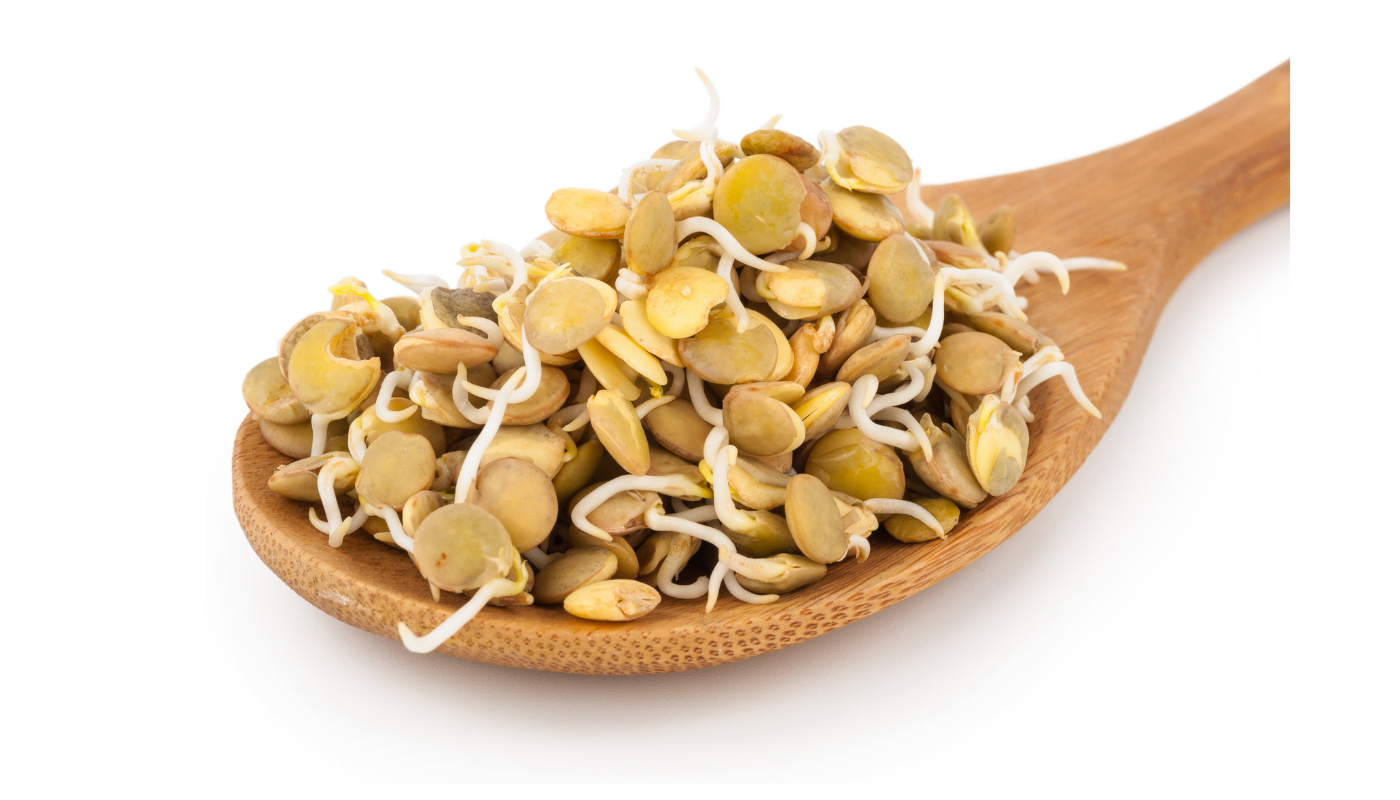
Señal Fisioeléctrica de semillas Lens culinaris en germinación con sustrato de hidrogel y agujas hipodérmicas como electrodos
Physioelectric signal of germinating Lens culinaris seeds with hydrogel substrate and hypodermic needles as electrodes
DOI:
https://doi.org/10.68038/mbdkn090Palabras clave:
Señal fisioeléctrica, Lens culinaris, Germinación, Semillas, LentejaResumen
En la actualidad garantizar la seguridad alimentaria es un reto compartido entre instituciones e investigadores especialmente desde el ámbito académico, en este sentido la experimentación en la agricultura moderna busca nuevas formas de incrementar la producción de alimentos nutritivos, mediante técnicas de cultivo sustentables que produzcan frutos sanos sosteniblemente, y con ello reducir efectos nocivos aún inherentes a la producción industrial agrícola tradicional que impactan negativamente en las personas y el medio ambiente.
En este sentido, la etapa de germinación en semillas es crucial para el desarrollo de las plantas, por un lado, se pueden potenciar las condiciones óptimas para una producción de plántulas fuertes con vigor y resistencia o, por otro lado, puede comprometerse el desarrollo fisiológico óptimo o incluso perder semillas en condiciones de mejoramiento genético. Desde esta perspectiva se han desarrollado métodos enfocados en mediciones que buscan potenciar la producción tratando de reducir el uso de agroquímicos, como son la caracterización de señales eléctricas. Este estudio busca lograr caracterizar la señal eléctrica de las fases en transformaciones físicas de muestras de semillas lens culinaris durante la etapa de germinación, tratando de identificar la señal asociada a la fase de imbibición, y principalmente del nacimiento de la retícula epigea, mediante el muestreo simultáneo en tiempo real del voltaje por periodo de tiempo utilizando un osciloscopio, seguimiento visual remoto y gráfico así como procesamiento computacional de datos para lograr caracterizar la respuesta correspondientes a cada fase en las muestras de semillas. Para poder obtener estos datos fue necesario establecer el uso de semillas abundantes y con alta germinación durante cortos periodos de tiempo. También se diseñó el sistema de medición que pudiera procesar los datos mediante electrodos de bajo costo (agujas hipodérmicas). Entre los resultados preliminares se destaca que las semillas presentan una actividad eléctrica baja en periodo de imbibición pero que puede ser percibida mediante un análisis de frecuencia, también se observan picos gráficos asociados a las transformaciones clave como el surgimiento de la retícula. Por ello, se puede establecer a mediano plazo que este estudio aportara en comprender mejor como es que se relacionan esta actividad eléctrica con los cambios fisiológicos y las señales gráficas que caracterizan a cada fase en la etapa germinativa de semillas, y a largo plazo el efecto que pueden tener estas características en otras etapas del proceso de producción de alimentos a través de mediciones fisioeléctricas.