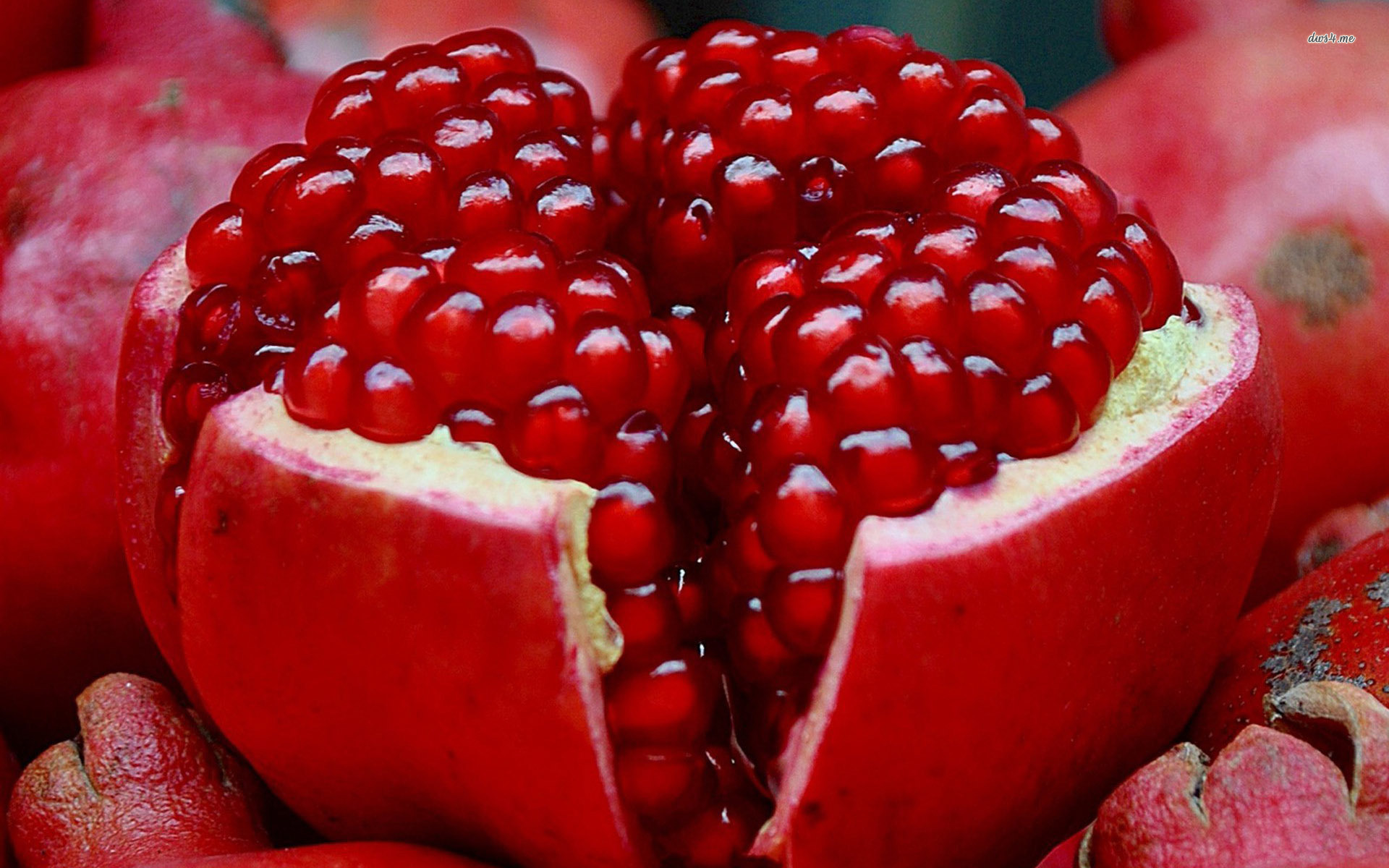
Efecto antioxidante de polifenoles extraídos de cáscara de granada sobre oleogeles a base de aceite vegetal y etilcelulosa
Palabras clave:
oleogel; etilcelulosa; punicalagina; polifenoles.Resumen
Los objetivos del presente trabajo fueron evaluar el uso de polifenoles extraídos de la cáscara de granada como agente antioxidante para el desarrollo de oleogeles a base de etilcelulosa en aceite vegetal y establecer la cantidad óptima de polifenoles necesaria para preservar la estabilidad oxidativa del oleogel y sus propiedades mecánicas. Los polifenoles de cáscara de granada (pp-polifenoles) se extrajeron y purificaron (usando HPLC-flash), se deshidrataron y se pulverizaron; sus componentes se caracterizaron por HPLC-MS/MS. Utilizando la metodología de Taguchi (arreglo ortogonal L9 33), se evaluaron los factores etilcelulosa 45 cP (3, 6 y 12 %), pp-polifenoles (0.05, 0.1 y 0.2 %) y temperatura (140, 150 y 160 °C) sobre el oxidación de lípidos producidos
durante el proceso de elaboración del oleogel mediante métodos de peróxidos y dienos conjugados y complementada con FTIR. También se determinaron las propiedades mecánicas de los oleogeles desarrollados. Los resultados mostraron que el principal polifenol identificado en la cáscara de granada fue la punicalagina (anómeros α y β). Con base en el modelo estadístico de Taguchi, se seleccionó la formulación con 3% de EC y 0.1% de pp-polifenoles y el procedimiento térmico a 160 °C durante 2 horas, ya que bajo estas condiciones se obtuvo la mayor inhibición de oxidación (hasta 90%). El índice de peróxidos determinado en esta muestra (5,62 ± 0,4 mEq/kg) estuvo dentro del límite permitido para aceites vegetales comestibles (máximo 10 mEq/kg). Se determinó que ni la adición de polifenoles ni el proceso térmico establecido alteraron las propiedades mecánicas de los oleogeles, independientemente de la adición de pp-polifenoles. Se sugirió complementar este trabajo con la investigación del sinergismo entre los pp-polifenoles y los componentes del oleogel antes de sugerir una funcionalidad o posible aplicación.
Referencias
Aguilar-Zárate, M., Macias-Rodriguez, B. A., Toro-Vazquez, J. F., & Marangoni, A. G. (2019). Engineering rheological properties of edible oleogels with ethylcellulose and lecithin. Carbohydrate Polymers, 205, 98–105. https://doi.org/10.1016/J.CARBPOL.2018.10.032
Aguilar-Zárate, P., Wong-Paz, J. E., Michel, M., Buenrostro-Figueroa, J., Díaz, H. R., Ascacio, J. A., Contreras-Esquivel, J. C., Gutiérrez-Sánchez, G., & Aguilar, C. N. (2017). Characterisation of Pomegranate-Husk Polyphenols and Semi-Preparative Fractionation of Punicalagin. Phytochemical Analysis, 28(5), 433–438. https://doi.org/10.1002/pca.2691
Alsufiani, H., Mansouri, R., Almalki, A., Alsolami, A., Kuddah, L., Yamani, R., Alghashmari, N., & Omar, U. (2020). Effect of Punicalagin as natural antioxidant on the oxidative stability of Canola oil during storage. Egyptian
Journal of Chemistry, 63(6), 2369–2378. https://doi.org/10.21608/ejchem.2020.23776.2436
Ascacio-Valdés, J., Burboa, E., Aguilera-Carbo, A. F., Aparicio, M., Pérez-Schmidt, R., Rodríguez, R., & Aguilar, C. N. (2013). Antifungal ellagitannin isolated from Euphorbia antisyphilitica Zucc. Asian Pacific Journal of Tropical Biomedicine, 3(1), 41–46. https://doi.org/10.1016/S2221-1691(13)60021-0
Barriuso, B., Astiasarán, I., & Ansorena, D. (2013). A review of analytical methods measuring lipid oxidation status in foods: A challenging task. European Food Research and Technology, 236(1), 1–15. https://doi.org/10.1007/s00217-012-1866-9
Buenrostro, J., Sepúlveda, L., Ascacio-Valdés, J. A., Aguilar, C. N., Huerta, S., & Prado, A. (2017). Cáscara de granada como soporte para la producción de pectinasas. XVII Congreso Nacional de Biotecnología y Bioingeniería. https://doi.org/10.2174/1389557517666170208144742
Çam, M., & Hişil, Y. (2010). Pressurised water extraction of polyphenols from pomegranate peels. Food Chemistry, 123(3), 878–885. https://doi.org/10.1016/j.foodchem.2010.05.011
Castro-López, C., Bautista-Hernández, I., González-Hernández, M. D., Martínez-Ávila, G. C. G., Rojas, R., Gutiérrez-Díez, A., Medina-Herrera, N., & Aguirre-Arzola, V. E. (2019). Polyphenolic profile and antioxidant activity of leaf purified hydroalcoholic extracts from seven mexican Persea americana cultivars. Molecules, 24(1), 173. https://doi.org/10.3390/molecules24010173
Chaves, K. F., Barrera-Arellano, D., & Ribeiro, A. P. B. (2018). Potential application of lipid organogels for food industry. In Food Research International (Vol. 105, pp. 863–872). Elsevier Ltd. https://doi.org/10.1016/j.foodres.2017.12.020
Christy, A. A., Egeberg, P. K., & Ostensen, E. T. (2003). Simultaneous quantitative determination of isolated trans fatty acids and conjugated linoleic acids in oils and fats by chemometric analysis. Vibrational Spectroscopy, 33, 37–48.
Co, E. D., & Marangoni, A. G. (2012). Organogels: An alternative edible oil-structuring method. JAOCS, Journal of the American Oil Chemists’ Society, 89(5), 749–780. https://doi.org/10.1007/s11746-012-2049-3
Coronado-Reyes, J. A., Tinoco-Salazar, J., Guisa-Morales, M. L., Cortés-Penagos, C. de J., & González-Herández, J. C. (2020). Morphology about the varieties mexican pomegranate fruit (Punica granatum) and its ripening stage. Food Science and Technology, AHEAD. https://doi.org/10.1590/fst.28620
Davidovich-Pinhas, M., Barbut, S., & Marangoni, A. G. (2014). Physical structure and thermal behavior of ethylcellulose. Cellulose, 21, 3243–3255. https://doi.org/10.1007/s10570-014-0377-1
Davidovich-Pinhas, M., Barbut, S., & Marangoni, A. G. (2016). Development, Characterization, and Utilization of Food-Grade Polymer Oleogels. Annu. Rev. Food Sci. Technol, 7, 65–91. https://doi.org/10.1146/annurev-food-041715-033225
Davidovich-Pinhas, M., Gravelle, A. J., Barbut, S., & Marangoni, A. G. (2015). Temperature effects on the gelation of ethylcellulose oleogels. Food Hydrocolloids, 46, 76–83. https://doi.org/10.1016/j.foodhyd.2014.12.030
Dostálová, J., Hanzlík, P., Réblová, Z., & Pokorný, J. (2005). Oxidative Changes of Vegetable Oils during Microwave Heating. Czech J. Food Sci, 23(6), 230–239.
Fernandes, L., Pereira, J. A., Lopéz-Cortés, I., Salazar, D. M., González-Álvarez, J., & Ramalhosa, E. (2017). Physicochemical composition and antioxidant activity of several pomegranate (Punica granatum L.) cultivars grown in Spain. European Food Research and Technology, 243(10), 1799–1814. https://doi.org/10.1007/s00217-017-2884-4
Fischer, U. A., Carle, R., & Kammerer, D. R. (2011). Identification and quantification of phenolic compounds from pomegranate (Punica granatum L.) peel, mesocarp, aril and differently produced juices by HPLC-DAD-ESI/MSn. Food Chemistry, 127(2), 807–821. https://doi.org/10.1016/j.foodchem.2010.12.156
Giamogante, F., Marrocco, I., Cervoni, L., Eufemi, M., Chichiarelli, S., & Altieri, F. (2018). Punicalagin, an active pomegranate component, is a new inhibitor of PDIA3 reductase activity. Biochimie, 147, 122–129. https://doi.org/10.1016/j.biochi.2018.01.008
Gravelle, A. J., Barbut, S., & Marangoni, A. G. (2012). Ethylcellulose oleogels: Manufacturing considerations and effects of oil oxidation. Food Research International, 48, 578–583. https://doi.org/10.1016/j.foodres.2012.05.020
Gravelle, A. J., Davidovich-Pinhas, M., Zetzl, A. K., Barbut, S., & Marangoni, A. G. (2016). Influence of solvent quality on the mechanical strength of ethylcellulose oleogels. Carbohydrate Polymers, 135, 169–179. https://doi.org/10.1016/j.carbpol.2015.08.050
Gravelle, A. J, Barbut, S., Quinton, M., & Marangoni, A. G. (2014). Towards the development of a predictive model of the formulation-dependent mechanical behaviour of edible oil-based ethylcellulose oleogels. https://doi.org/10.1016/j.jfoodeng.2014.06.036
Hernández-Corroto, E., Marina, M. L., & García, M. C. (2019). Extraction and identification by high resolution mass spectrometry of bioactive substances in different extracts obtained from pomegranate peel. Journal of Chromatography A, 1594, 82–92. https://doi.org/10.1016/j.chroma.2019.02.018
Ismail, A. A., van de Voort, F. R., Emo, G., & Sedman, J. (1993). Rapid quantitative determination of free fatty acids in fats and oils by fourier transform infrared spectroscopy. Journal of the American Oil Chemists’ Society, 70(4), 335–341. https://doi.org/10.1007/BF02552703
Javidipour, I., Erinç, H., Baştürk, A., & Tekin, A. (2017). Oxidative changes in hazelnut, olive, soybean, and sunflower oils during microwave heating. International Journal of Food Properties, 20(7), 1582–1592. https://doi.org/10.1080/10942912.2016.1214963
Kharchoufi, S., Licciardello, F., Siracusa, L., Muratore, G., Hamdi, M., & Restuccia,
C. (2018). Antimicrobial and antioxidant features of ‘Gabsiʼ pomegranate peel extracts. Industrial Crops and Products, 111, 345–352. https://doi.org/10.1016/j.indcrop.2017.10.037
Kulkarni, A. P., Mahal, H. S., Kapoor, S., & Aradhya, S. M. (2007). In vitro studies on the binding, antioxidant, and cytotoxic actions of punicalagin. Journal of Agricultural and Food Chemistry, 55(4), 1491–1500. https://doi.org/10.1021/JF0626720
Laredo, T., Barbut, S., & Marangoni, A. G. (2011). Molecular interactions of polymer oleogelation. Soft Matter, 7, 2734–2743. https://doi.org/10.1039/c0sm00885k
Li, L., Wan, W., Cheng, W., Liu, G., & Han, L. (2019). Oxidatively stable curcumin-loaded oleogels structured by β-sitosterol and lecithin: physical characteristics and release behaviour in vitro. International Journal of Food Science and Technology, 54(7), 2502–2510. https://doi.org/10.1111/ijfs.14208
López-Martínez, A., Morales-Rueda, J. A., Dibildox-Alvarado, E., Charó-Alonso, M. A., Marangoni, A. G., & Toro-Vazquez, J. F. (2014). Comparing the crystallization and rheological behavior of organogels developed by pure and commercial monoglycerides in vegetable oil. Food Research International, 64, 946–957. https://doi.org/10.1016/j.foodres.2014.08.029
Luo, S. Z., Hu, X. F., Jia, Y. J., Pan, L. H., Zheng, Z., Zhao, Y. Y., Mu, D. D., Zhong, X. Y., & Jiang, S. T. (2019). Camellia oil-based oleogels structuring with tea polyphenol-palmitate particles and citrus pectin by emulsion-templated method: Preparation, characterization and potential application. Food Hydrocolloids, 95, 76–87. https://doi.org/10.1016/j.foodhyd.2019.04.016
Ma, K., Van De Voort, F. R., Ismail, A. A., Zhuo, H., & Cheng, B. (2000). Monitoring peroxide value in fatliquor manufacture by Fourier transform infrared spectroscopy. Journal of the American Oil Chemists’ Society 2000 77:6, 77(6), 681–685. https://doi.org/10.1007/S11746-000-0109-2
Marangoni, A. (2013). Gelificación de polímeros de aceites (Patent No. ES 2 437 394 T3). Oficina Española de Patentes y Marcas.
Mattice, K. D., & Marangoni, A. G. (2018). Oleogels in food. Encyclopedia of Food Chemistry, 255–260. https://doi.org/10.1016/B978-0-08-100596-5.21662-4
Minitab LLC. (2022). Minitab Support. Web Page. https://support.minitab.com/es-mx/minitab/21/help-and-how-to/statistical-modeling/doe/supporting-topics/taguchi-designs
Nuncio-Jáuregui, N., Calín-Sánchez, Á., Vázquez-Araújo, L., Pérez-López, A. J., Frutos-Fernández, M. J., & Carbonell-Barrachina, Á. A. (2015). Processing Pomegranates for Juice and Impact on Bioactive Components. In Processing and Impact on Active Components in Food (pp. 629–636). Elsevier Inc. https://doi.org/10.1016/B978-0-12-404699-3.00076-7
Qu, W., Li, P., Hong, J., Liu, Z., Chen, Y., Breksa, A. P., & Pan, Z. (2014). Thermal stability of liquid antioxidative extracts from pomegranate peel. Journal of the Science of Food and Agriculture, 94(5), 1005–1012. https://doi.org/10.1002/jsfa.6361
Quirós Fernández, R., & López Plaza, B. (2017). Estudio de intervención nutricional para evaluar el efecto de la suplementación oral con hidroxitirosol y punicalagina sobre diferentes marcadores tempranos de la aterosclerosis en sujetos de mediana edad, aparentemente sanos sin enfermedad cardiovascular [UAM. Departamento de Química Física Aplicada; Instituto de Investigación Sanitaria Hospital Universitario de La Paz (IdiPAZ)]. https://repositorio.uam.es/handle/10486/680393
Ramírez‐carrasco, P., Paredes‐toledo, J., Romero‐hasler, P., Soto‐bustamante, E., Díaz‐calderón, P., Robert, P., & Giménez, B. (2020). Effect of adding curcumin on the properties of linseed oil organogels used as fat replacers in Pâtés. Antioxidants, 9(8), 1–18. https://doi.org/10.3390/antiox9080735
Rogers, M. A., Strober, T., Bot, A., Toro-Vazquez, J. F., Stortz, T., & Marangoni, A. G. (2014). Edible oleogels in molecular gastronomy. International Journal of Gastronomy and Food Science, 2(1), 22–31. https://doi.org/10.1016/j.ijgfs.2014.05.001
Rusak, D. A., Brown, L. M., & Martin, S. D. (2003). Classification of Vegetable Oils by Principal Component Analysis of FTIR Spectra. Journal of Chemical Education, 80(5), 541–543. https://doi.org/10.1021/ED080P541
Shi, R., Zhang, Q., Vriesekoop, F., Yuan, Q., & Liang, H. (2014). Preparation of organogel with tea polyphenols complex for enhancing the antioxidation properties of edible oil. Journal of Agricultural and Food Chemistry, 62(33), 8379–8384. https://doi.org/10.1021/jf501512y
Singh, A., Auzanneau, F.-I., & Rogers, M. A. (2017). Advances in edible oleogel technologies – A decade in review. Food Research International, 97(May), 307–317. https://doi.org/10.1016/j.foodres.2017.04.022
Stortz, T. A., & Marangoni, A. G. (2014). Ethylcellulose-Stabilized Heat Resistant Chocolate [University of Guelph, ON, Canada]. https://atrium.lib.uoguelph.ca/xmlui/bitstream/handle/10214/8310/Stortz_Terri_201408_PhD.pdf?sequence=1
Taghvaei, M., & Jafari, S. M. (2015). Application and stability of natural antioxidants in edible oils in order to substitute synthetic additives. Journal of Food Science and Technology, 52(3), 1272–1282. https://doi.org/10.1007/s13197-013-1080-1
U.S. Food and Drug Administration. (2020). CFR - Code of Federal Regulations Title 21. https://www.accessdata.fda.gov/scripts/cdrh/cfdocs/cfcfr/cfrsearch.cfm
van de Voort, F. R., Ismail, A. A., Sedman, J., Dubois, J., & Nicodemo, T. (1994). The determination of peroxide value by fourier transform infrared spectroscopy. Journal of the American Oil Chemists’ Society, 71(9), 921–926. https://doi.org/10.1007/BF02542254
Villeneuve, P., Bourlieu-Lacanal, C., Durand, E., Lecomte, J., McClements, D. J., & Decker, E. A. (2021). Lipid oxidation in emulsions and bulk oils: a review of the importance of micelles. Critical Reviews in Food Science and Nutrition, 0(0), 1–41. https://doi.org/10.1080/10408398.2021.2006138
Young, J. E., Pan, Z., Teh, H. E., Menon, V.,
Modereger, B., Pesek, J. J., Matyska, M. T., Dao, L., & Takeoka, G. (2017). Phenolic composition of pomegranate peel extracts using an liquid chromatography-mass spectrometry approach with silica hydride columns. Journal of Separation Science, 40(7), 1449–1456. https://doi.org/10.1002/jssc.201601310
Zetzl, A. K., Gravelle, A. J., Kurylowicz, M., Dutcher, J., Barbut, S., & Marangoni, A. G. (2014). Microstructure of ethylcellulose oleogels and its relationship to mechanical properties. Food Structure, 2, 27–40. https://doi.org/10.1016/j.foostr.2014.07.002
Zetzl, A. K., Marangoni, A. G., & Barbut, S. (2012). Mechanical properties of ethylcellulose oleogels and their potential for saturated fat reduction in frankfurters. Food and Function, 3(3)
327–337. https://doi.org/10.1039/c2fo10202a