Actividad antifúngica in vitro de extractos etanólicos de Lippia graveolens y Viscum album contra Fusarium oxysporum f. sp. lycopersici
Palabras clave:
Fungicidas botánicos, Extractos de plantas, Compuestos fitoquímicos, Control biológico de enfermedades, Biofungicidas.Resumen
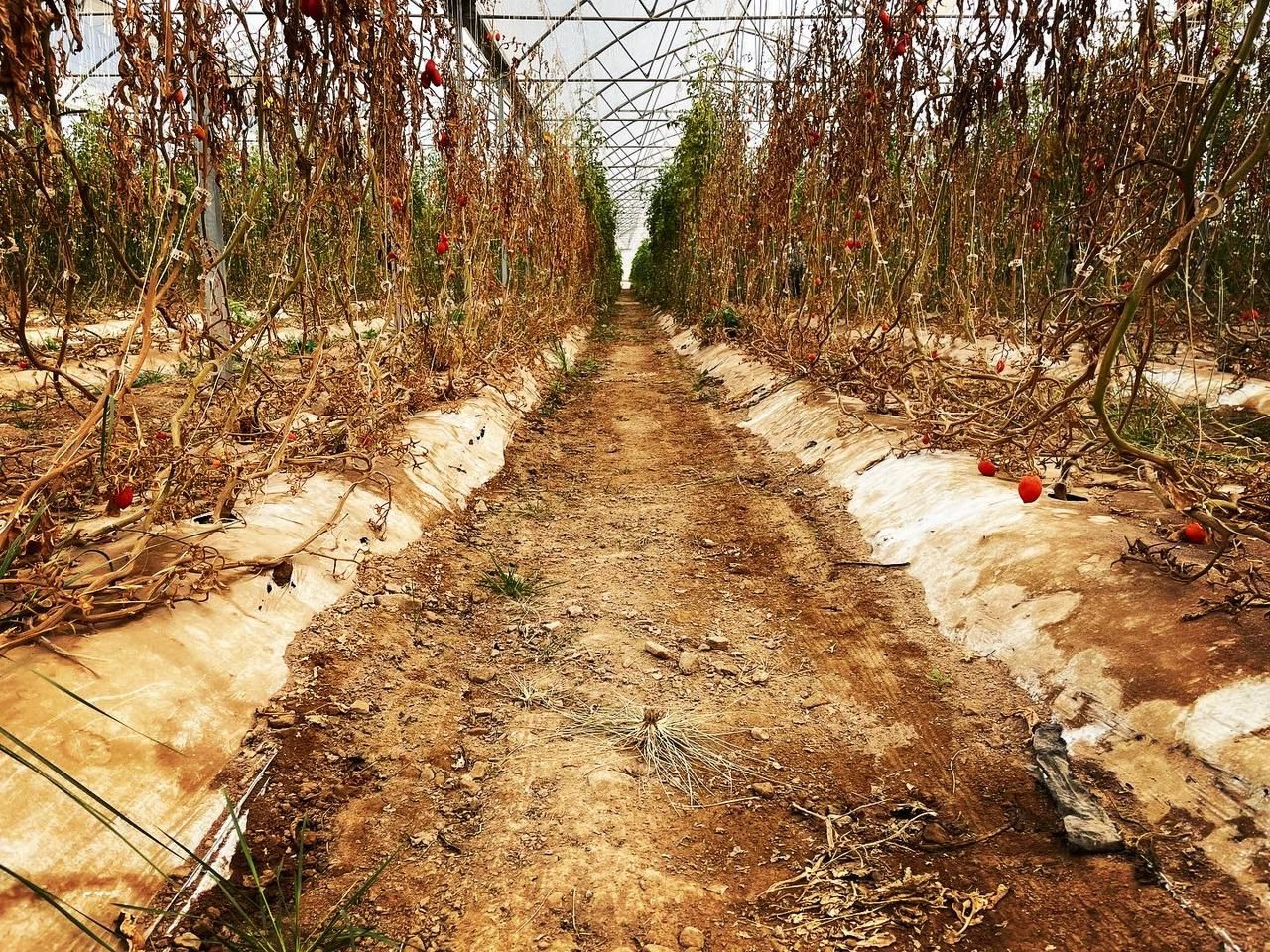
La marchitez vascular causada por Fusarium oxysporum f. sp. lycopersici es un problema en el cultivo de tomate. Su manejo comúnmente se hace con productos sintéticos. Sin embargo, el uso de este tipo de productos podría inducir resistencia hacia los ingredientes activos y problemas toxicológicos. Debido a esto, se han propuesto alternativas bioracionales como los extractos vegetales, para el manejo de enfermedades en las plantas. Los objetivos de esta investigación fueron obtener información de la composición fitoquímica de los extractos vegetales, así como determinar la actividad antifúngica y la concentración inhibitoria al 50 y 90 % (CI50 y CI90) de extractos vegetales etanólicos de Lippia graveolens y Viscum album mediante el método de microdilución en placa; se realizó un análisis Probit para determinar la CI50 y CI90 de cada extracto, y ANOVA por prueba de Tukey (p<0.05) para determinar diferencias estadísticas. En ambos extractos se identificaron compuestos fitoquímicos, como ácidos hidroxicinámicos, estilbenos, flavonoides, catequinas, polifenoles y ácidos metoxicinámicos. Además, ambos extractos presentaron actividad antifúngica mayor al 80 % de inhibición. Sin embargo, el extracto de L. graveolens fue estadísticamente mejor, con una CI50 más baja de 60.91 mg/L. En conclusión, ambos extractos vegetales contienen compuestos fitoquímicos de interés para el control de microorganismos y representan una alternativa natural para el control de F. oxysporum f. sp. lycopersici.
Referencias
1. FAO (2022) Page on world food production. Available via http://www.fao.org/faostat/en/. Cited 20 jan 2022
2. Singh, V.K., Singh, A.K. & Kumar, A. (2017). “Disease management of tomato through PGPB: current trends and future perspective”. 3 Biotech, 7(4), 255. https://doi.org/10.1007/s13205-017-0896-1
3. Marlatt, M.L.J., Correll, J.C., Kaufman, P. & Cooper, P.E. (1996). Two genetically distinct populations of Fusarium oxysporum. f. sp. lvcopersici race 3 in the United States. Plant Diseases, 80(12),1336-1342. https://doi.org/10.1094/PD-80-1336
4. González, I., Arias, Y. & Peteira, B. (2012). Aspectos Generales de la Interacción Fusarium oxysporum f. sp. lycopersici-Tomate. Revista de Protección Vegetal, 27(1), 1-7. http://scielo.sld.cu/scielo.php?pid=S1010-27522012000100001&script=sci_arttext&tlng=en
5. Hernández-Martínez, R., López- Benítez, A., Borrego-Escalante, F., Espinoza-Velásquez, J., Sánchez- Aspeytia, D., Maldonado-Mendoza, E. & López-Ochoa, L. (2014). Razas de Fusarium oxysporum f. sp. lycopersici en predios tomateros en San Luis Potosí. Revista Mexicana de Ciencias Agricolas, 5(7), 1169-1178. http://www.scielo.org.mx/scielo.php?script=sci_arttext&pid=S2007-09342014000700003
6. Chen, C., Wang, J., Luo, Q., Yuan, S. & Zhou, M. (2007). Characterization and fitness of carbendazim-resistant strains of Fusarium graminearum (wheat scab). Science: formerly Pesticide, 63(12), 1201–1207. https://doi.org/10.1002/ps.1449
7. Hernández, A.N., Bautista, S. & Velázquez, M.G. (2007) Prospectiva de extractos vegetales para controlar enfermedades postcosecha hortofrutícolas. Revista Fitotecnia Mexicana, 30, (2), 119-123. https://www.redalyc.org/pdf/610/61030202.pdf
8. Igbinosa, O.O., Igbinosa, E.O. & Aiyegoro, O.A. (2009). Antimicrobial activity and phytochemical screening of stem bark extracts from Jatropha curcas (Linn). African journal of pharmacy and pharmacology, 3(2), 058-062. https://doi.org/10.5897/AJPP.9000049
9. Castillo, F., Hernández, D., Gallegos, G., Mendez, M., Rodríguez, R., Reyes, A. & Aguilar, C.N. (2010). In vitro antifungal activity of plant extracts obtained with alternative organic solvents against Rhizoctonia solani Kühn. Industrial Crops and Products, 32(3), 324-328. https://doi.org/10.1016/j.indcrop.2010.05.013
10. Mendez, M., Rodríguez, R., Ruiz, J., Morales-Adame, D., Castillo, F., Hernández-Castillo, F.D. & Aguilar, C.N. (2012). Antibacterial activity of plant extracts obtained with alternative organics solvents against food-borne pathogen bacteria. Industrial Crops and Products, 37(1), 445-450. https://doi.org/10.1016/j.indcrop.2011.07.017
11. Hernández-Castillo, F.D., Castillo-Reyes, F., Gallegos-Morales, G., Rodríguez-Herrera, R. & Aguilar-González, C.N. (2010). Lippia graveolens and Carya illinoensis organic extracts and there in vitro effect against Rhizoctonia solani Kuhn. Journal of Agricultural and Biological Sciences, 5(3), 380-384. https://doi.org/10.3844/ajabssp.2010.380.384
12. De Rodríguez, D. J., García, R. R., Castillo, F. H., González, C. A., Galindo, A. S., Quintanilla, J. V. & Zuccolotto, L. M. (2011). In vitro antifungal activity of extracts of Mexican Chihuahuan Desert plants against postharvest fruit fungi. Industrial Crops and Products, 34(1), 960-966. https://doi.org/10.1016/j.indcrop.2011.03.001
13. Chandrashekhara, Niranjan Raj, S., Manjunath, G., Deepak, S. & Shekar Shetty, H. (2010). Seed treatment with aqueous extract of Viscum album induces resistance to pearl millet downy mildew pathogen. Journal of Plant Interactions, 5(4), 283-291. https://doi.org/10.1080/17429140903556539
14. Orhan, D.D., Özçelik, B., Özgen, S. & Ergun, F. (2010). Antibacterial, antifungal, and antiviral activities of some flavonoids. Microbiological research, 165(6), 496-504. https://doi.org/10.1016/j.micres.2009.09.002
15. Hussain, M.A., Khan, M.Q., Hussain, N. & Habib, T. (2011). Antibacterial and antifungal potential of leaves and twigs of Viscum album L. Journal of Medicinal Plants Research, 5(23), 5545-5549. https://doi.org/10.5897/JMPR.9000126
16. Nacsa-Farkas, E. (2014). Antifungal effect of selected European herbs against Candida albicans and emerging pathogenic non-albicans Candida species. Acta Biologica Szegediensis, 58(1), 61-64. http://abs.bibl.u-szeged.hu/index.php/abs/article/view/2819/2811
17. Shami, A.M.M., Philip, K. & Muniady, S. (2013). Synergy of antibacterial and antioxidant activities from crude extracts and peptides of selected plant mixture. BMC Complementary and Alternative Medicine, 13, 360. https://doi.org/10.1186/1472-6882-13-360
18. Jasso de Rodríguez, D. J., Trejo-González, F. A., Rodríguez-García, R., Díaz-Jimenez, M. L. V., Sáenz-Galindo, A., Hernández-Castillo, F. D. & Peña-Ramos, F. M. (2015). Antifungal activity in vitro of Rhus muelleri against Fusarium oxysporum f. sp. lycopersici. Industrial Crops and Products, 75, 150-158. https://doi.org/10.1016/j.indcrop.2015.05.048
19. Araújo, R.G., Rodriguez-Jasso, R.M., Ruiz, H.A., Govea-Salas, M., Pintado, M.E. & Aguilar, C.N. (2020). Process optimization of microwave-assisted extraction of bioactive molecules from avocado seeds. Industrial Crops and Products, 154, 112623. https://doi.org/10.1016/j.indcrop.2020.112623
20. Zenil-Lugo, N., Colinas-León, M., Bautista-Bañuelos, C., Vázquez-Rojas, T.R., Lozoya-Saldaña, H. & Martínez-Damián, M. (2014). Fenoles totales y capacidad antioxidante estimada con los ensayos DPPH/ABTS en rosas en soluciones preservantes. Revista Mexicana de Ciencias Agrícolas, 5(6), 1029-1039. http://www.scielo.org.mx/scielo.php?pid=S2007-09342014000600010&script=sci_abstract&tlng=en
21. Chang, C.C., Yang, M.H., Wen, H.M. & Chern, J.C. (2002). Estimation of total flavonoid content in propolis by two complementary colorimetric methods. Journal of Food Drug Analysis, 10(3), 3. https://doi.org/10.38212/2224-6614.2748
22. Kumar, M.S., Kaur, G. & Sandhu, A.K. (2014). Genomic DNA isolation from fungi, algae, plant, bacteria and human blood using CTAB. International Journal of Science and Research, 3(9), 6171618. https://www.ijsr.net/archive/v3i9/U0VQMTQxMDU=.pdf
23. Nirmaladevi, D., Venkataramana, M., Srivastava, R.K., Uppalapati, S.R., Gupta, V.K., Yli-Mattila, T. & Chandra, N.S. (2016). Molecular phylogeny, pathogenicity and toxigenicity of Fusarium oxysporum f. sp. lycopersici. Scientific reports, 6(1), 1-14. https://doi.org/10.1038/srep21367
24. Tucuch-Pérez, M.A., Arredondo-Valdés, R. & Hernández-Castillo, F.D. (2020). Antifungal activity of phytochemical compounds of extracts from Mexican semi-desert plants against Fusarium oxysporum from tomato by microdilution in plate method. Nova scientia, 12(25), 1-19. https://doi.org/10.21640/ns.v12i25.2345
25. Vestergaard, M. & Ingmer, H. (2019). Antibacterial and antifungal properties of resveratrol. International Journals of Antimicrobial Agents, 53(6), 716-723. https://doi.org/10.1016/j.ijantimicag.2019.02.015
26. Trejo-Márquez, M.A., Vargas-Martínez, M.G., Sánchez-Soto, A., Vargas, A.A.L., Pascual-Bustamante, S., López, G.G. & González, A.G.V. (2015). Extracción de compuestos bioactivos de plantas del desierto mexicano para su aplicación en envases activos para zarzamora. Revista Iberoamericana de Tecnología Postcosecha, 16(1), 101-107. https://www.redalyc.org/pdf/813/81339864015.pdf
27. Quirantes-Piné, R., Funes, L., Micol, V., Segura-Carretero, A. & Fernández-Gutiérrez, A. (2009). High-performance liquid chromatography with diode array detection coupled to electrospray time-of-flight and ion-trap tandem mass spectrometry to identify phenolic compounds from a lemon verbena extract. Journal of Chromatography A, 1216(28), 5391-5397. https://doi.org/10.1016/j.chroma.2009.05.038
28. Khatun, A., Rahman, M., Rahman, M. M., Hossain, H., Jahan, I. A. & Nesa, M. L. (2016). Antioxidant, antinociceptive and CNS activities of Viscum orientale and high sensitive quantification of bioactive polyphenols by UPLC. Frontiers in pharmacology, 7, 176. https://doi.org/10.3389/fphar.2016.00176
29. Warris, A. & Ballou, E.R. (2019). Oxidative responses and fungal infection biology. Seminars in Cell & Developmental Biology, 89, 34-46. https://doi.org/10.1016/j.semcdb.2018.03.004
30. Rocha, M.F.G., Sales, J.A., da Rocha, M.G., Galdino, L.M., de Aguiar, L., Pereira-Neto, W.D.A. & Brilhante, R.S.N. (2019). Antifungal effects of the flavonoids kaempferol and quercetin: a possible alternative for the control of fungal biofilms. Biofouling, 35(3), 320-328. https://doi.org/10.1080/08927014.2019.1604948
31. Güereca, M.C.G., Hernández, M.S., Kite, G. & Vázquez, M.M. (2007). Actividad antioxidante de flavonoides del tallo de orégano mexicano (Lippia graveolens HBK var. berlandieri Schauer). Revista Fitotecnia Mexicana, 30(1), 43-49. https://www.redalyc.org/pdf/610/61030106.pdf
32. Funari, C.S., Eugster, P.J., Martel, S., Carrupt, P.A., Wolfender, J.L. & Silva, D.H.S. (2012). High resolution ultra high pressure liquid chromatography–time-of-flight mass spectrometry dereplication strategy for the metabolite profiling of Brazilian Lippia species. Journal of Chromatogrphy A, 1259, 167-178. https://doi.org/10.1016/j.chroma.2012.03.069
33. de Oliveira, F.C., Barbosa, F.G., Mafezoli, J., Maria da Conceição, F., Neto, M.A. & Guedes, M. L. (2013). Chemical constituents of Lippia rigida schauer (Verbenaceae). Biochemical Systematics and Ecology, (51), 328-330. https://doi.org/10.1016/j.bse.2013.09.009
34. Cid-Pérez, T.S., Nevárez-Moorillón, G.V., Torres-Muñoz, J.V., Palou, E. & López-Malo, A. (2016). Mexican oregano (Lippia berlandieri and Poliomintha longiflora) oils. In: Predy, V.R. (ed). Essential oils in food preservation, flavor and safety. (pp 551-560). Massachusetts, Academic Press. https://doi.org/10.1016/B978-0-12-416641-7.00063-8
35. Kang, S.N. (2016). Ethanol extracts from mistletoe (Viscum album L.) act as natural antioxidants and antimicrobial agents in uncooked pork patties during refrigerated storage. Australasian Journal of Animal Sciences, 29(1), 109. https://doi.org/10.5713/ajas.15.0253
36. Trifunschi, S., Munteanu, M.F., Pogurschi, E. & Gligor, R. (2017). Characterization of Polyphenolic Compounds in Viscum album L. and Allium sativum L. extracts. Revista de Chimie, 68, 1677-1680. https://doi.org/10.37358/RC.17.7.5741
37. López-Lázaro, M. (2009). Distribution and biological activities of the flavonoid luteolin. Mini reviews in medicinal chemistry, 9(1), 31-59. https://doi.org/10.2174/138955709787001712
38. Rasul, A., Millimouno, F.M., Ali Eltayb, W., Ali, M., Li, J. & Li, X. (2013). Pinocembrin: a novel natural compound with versatile pharmacological and biological activities. Biomed Research International, 2013, 379850. https://doi.org/10.1155/2013/379850
39. Jurica, K., Gobin, I., Kremer, D., Čepo, D. V., Grubešić, R. J., Karačonji, I. B. & Kosalec, I. (2017). Arbutin and its metabolite hydroquinone as the main factors in the antimicrobial effect of strawberry tree (Arbutus unedo L.) leaves. Journal of Herbal Medicine, 8, 17-23. https://doi.org/10.1016/j.hermed.2017.03.006
40. Kim, J.K. & Park, S.U. (2019). A recent overview on the biological and pharmacological activities of ferulic acid. EXCLI Journal, 18, 132-138. https://doi.org/10.17179/excli2019-1138
41. Arias, J., Mejía, J., Córdoba, Y., Martínez, J.R., Stashenko, E. & del Valle, J.M. (2020). Optimization of flavonoids extraction from Lippia graveolens and Lippia origanoides chemotypes with ethanol-modified supercritical CO2 after steam distillation. Industrial Crops and Products, 146, 112170. https://doi.org/10.1016/j.indcrop.2020.112170
42. Stefanucci, A., Zengin, G., Llorent‐Martinez, E.J., Dimmito, M.P., Della Valle, A., Pieretti, S. & Mollica, A. (2020). Viscum album L. homogenizer‐assisted and ultrasound‐assisted extracts as potential sources of bioactive compounds. Journal of Food Biochemistry, 44(9), e13377. https://doi.org/10.1111/jfbc.13377
43. Martínez-Rocha, A., Puga, R., Hernández-Sandoval, L., Loarca-Piña, G. & Mendoza, S. (2008). Antioxidant and antimutagenic activities of Mexican oregano (Lippia graveolens Kunth). Plant foods for human nutrition, 63(1),1-5. https://doi.org/10.1007/s11130-007-0061-9
44. Cortés-Chitala, M.D.C., Flores-Martínez, H., Orozco-Ávila, I., León-Campos, C., Suárez-Jacobo, Á., Estarrón-Espinosa, M. & López-Muraira, I. (2021). Identification and Quantification of Phenolic Compounds from Mexican Oregano (Lippia graveolens HBK) Hydroethanolic Extracts and Evaluation of Its Antioxidant Capacity. Molecules, 26(3), 702. https://doi.org/10.3390/molecules26030702
45. Pietrzak, W., Nowak, R., Gawlik-Dziki, U., Lemieszek, M.K. & Rzeski, W. (2017). LC-ESI-MS/MS identification of biologically active phenolic compounds in mistletoe berry extracts from different host trees. Molecules, 22(4), 624. https://doi.org/10.3390/molecules22040624
46. ÖnayUçar, E., Karagöz, A. & Arda, N. (2006). Antioxidant activity of Viscum album ssp. album. Fitoterapia, 77(7-8), 556-560. https://doi.org/10.1016/j.fitote.2006.08.001
47. Candiracci, M., Citterio, B. & Piatti. E. (2012) Antifungal activity of the honey flavonoid extract against Candida albicans. Food Chemistry, 131(2), 493-499. https://doi.org/10.1016/j.foodchem.2011.09.012
48. Peng, L., Yang, S., Cheng, Y.J., Chen, F., Pan, S. & Fan, G. (2012). Antifungal activity and action mode of pinocembrin from propolis against Penicillium italicum. Food Science Biotechnology, 21(6), 1533-1539. https://doi.org/10.1007/s10068-012-0204-0
49. Cantelli, B.A.M., Bitencourt, T.A., Komoto, T.T., Beleboni, R.O., Marins, M. & Fachin, A.L. (2017). Caffeic acid and licochalcone A interfere with the glyoxylate cycle of Trichophyton rubrum. Biomedicine & Pharmacotherapy, 96, 1389-1394. https://doi.org/10.1016/j.biopha.2017.11.051
50. Hirasawa, M. & Takada, K. (2004). Multiple effects of green tea catechin on the antifungal activity of antimycotics against Candida albicans. Journal of Antimicrobial Chemotherapy, 53(2), 225-229. https://doi.org/10.1093/jac/dkh046
51. Lanzotti, V., Romano, A., Lanzuise, S., Bonanomi, G. & Scala, F. (2012). Antifungal saponins from bulbs of white onion, Allium cepa L. Phytochemistry, 74, 133-139. https://doi.org/10.1016/j.phytochem.2011.11.008
52. Medina-Romero, Y. M., Rodriguez-Canales, M., Rodriguez-Monroy, M. A., Hernandez-Hernandez, A. B., Delgado-Buenrostro, N. L., Chirino, Y. I., ... & Canales-Martinez, M. M. (2022). Effect of the essential oils of Bursera morelensis and Lippia graveolens and five pure compounds on the mycelium, spore production, and germination of species of Fusarium. Journal of Fungi, 8(6), 617. https://doi.org/10.3390/jof8060617
53. Ertürk, Ö., Kati, H., Yayli, N. & Demirbağ, Z. (2004). Antimicrobial activity of Viscum album L. subsp. abietis (Wiesb). Turkish Journal of Biology, 27(4), 255-258. https://journals.tubitak.gov.tr/biology/abstract.htm?id=6444
54. Ertürk, Ö. (2010). Antibacterial and antifungal effects of alcoholic extracts of 41 medicinal plants growing in Turkey. Czech Journal of Food Sciences, 28(1), 53-60. https://doi.org/10.17221/144/2008-CJFS
55. Aykul, S. & Martinez-Hackert, E. (2016). Determination of half-maximal inhibitory concentration using biosensor-based protein interaction analysis. Analytical Biochemistry, 508, 97-103. https://doi.org/10.1016/j.ab.2016.06.025
56. Zhao, Y.L., Wang, X.Y., Sun, L.X., Fan, R.H., Bi, K.S. & Zhi, G.Y. (2012). Cytotoxic constituents of Viscum coloratum. Zeitschrift Für Naturforschung C, 67(3-4), 129-134. https://doi.org/10.1515/znc-2012-3-404
57. Yang, Y. & Zhang, T. (2019). Antimicrobial activities of tea polyphenol on phytopathogens: A review. Molecules, 24(4), 816. https://doi.org/10.3390/molecules24040816