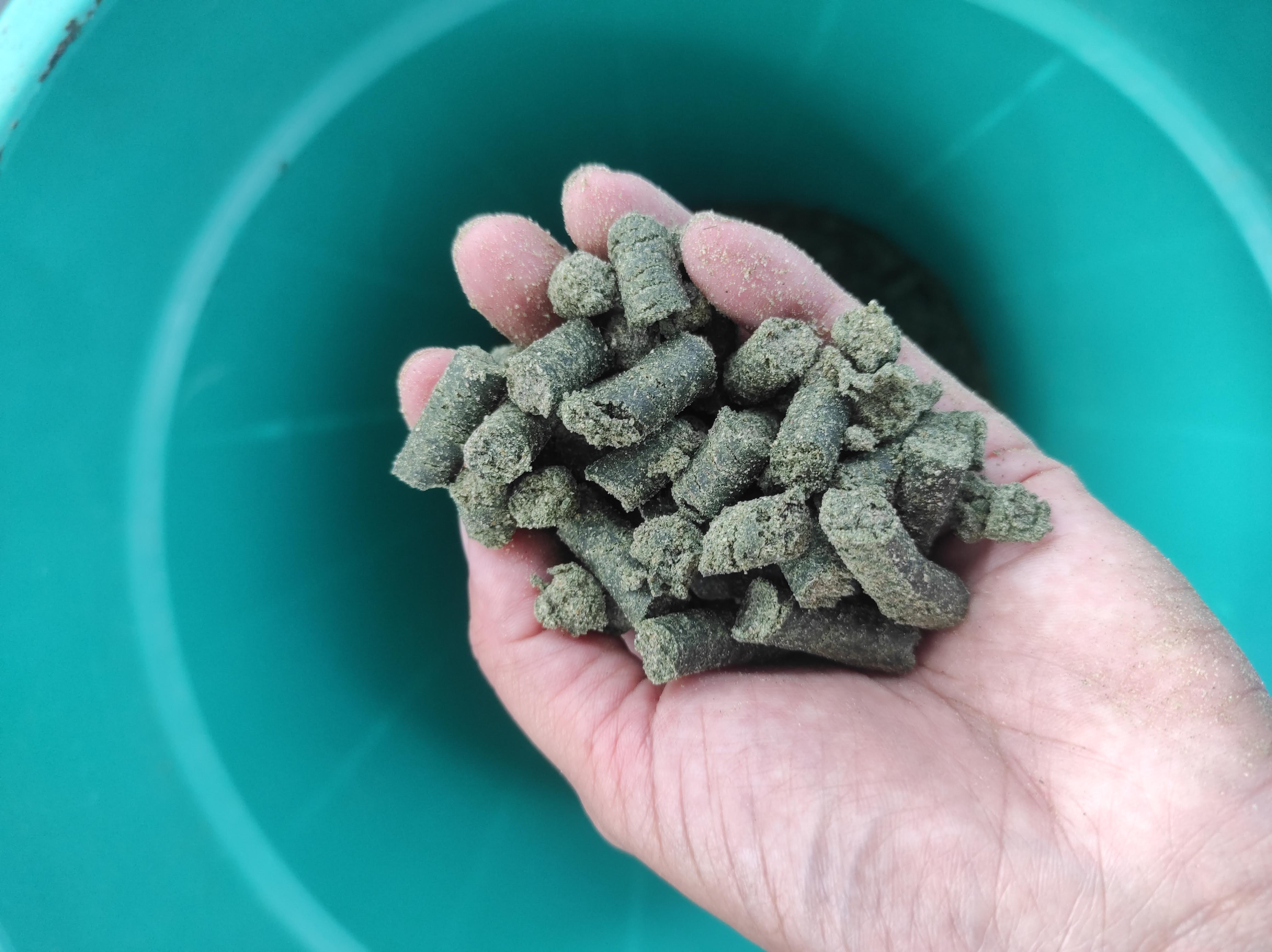
Desarrollo de un alimento para tilapia Oreochromis niloticus (Perciformes: Cichlidae) con harina de larva de mosca soldado negro Hermetia illucens (Diptera: Stratiomyidae)
Palabras clave:
Nutrición acuícola, tilapia del Nilo, alimentación alternativa, Hermetia illucens.Resumen
La larva de la mosca soldado negro (Hermetia illucens) es una de las fuentes de proteína más prometedoras para peces, debido a su contenido nutricional y adecuada digestibilidad. El objetivo del presente trabajo fue desarrollar y evaluar un alimento elaborado con base en harina de larva de mosca soldado para la tilapia en etapa alevín; esto con el objetivo de reemplazar el uso de la harina de pescado, que por su costo y disponibilidad variable se convierte un factor limitante para la acuicultura. Para ello, a partir de la larva de mosca soldado negro alimentada con residuos orgánicos (HMS-R), se elaboró un alimento de tamaño de partícula HMS-R 585 μm y otro de HMS-R 841 μm; ambos alimentos fueron evaluados con respecto a su composición química proximal, densidad del pellet, densidad aparente, índice de absorción de agua, índice de solubilidad, factor de hinchamiento y su efecto en el crecimiento de alevines de tilapia por 8 semanas. Se utilizó alimento comercial como alimento control (AC) (malta-Cleyton 45%). El alimento HMS-R 841 μm mostró menor densidad del pellet en comparación con el AC (P<0.05), mientras que HMS-R 595 μm presentó menor flotabilidad en comparación con el AC (P<0.05). El crecimiento de la tilapia fue mayor (3.24± 0.23 g) en comparación con el alimento comercial (1.14±0.20 g). El alimento con larva de mosca soldado tiene uso potencial para la tilapia en etapa alevín; sin embargo, es necesario mejorar la calidad del pellet, aumentar su flotabilidad y reducir la densidad con respecto a la del agua.
Referencias
1. Food and Agriculture Organization of the United Nations (FAO). El estado mundial de la pesca y la acuicultura 2020. FAO, 2020. doi: 10.4060/ca9229es
2. Prabu E., Rajagopalsamy C. B. T., Ahilan B., Jeevagan I. J. M. A., and Renuhadevi M. “Tilapia – An Excellent Candidate Species for World Aquaculture: A Review” Annual Research & Review Biology., 31:3, 1–14, 2019, doi: 10.9734/arrb/2019/v31i330052
3. Food and Agriculture Organization of the United Nations (FAO) “The state of world fisheries and aquaculture 2022. Towards blue transformation”, Rome, 2022. . https://doi.org/10.4060/cc0461en
4. Nguyen V. H. and Tran H. C. "Freshwater aquaculture´s contribution to food security in Vietnam: A case study of freshwater tilapia aquaculture in Hai Duong province", Journal of the International Society for Southeast Asian Agricultural Sciencies. 18:1. 2012. ISSN: 0859-3132
5. Food and Agricultural Organization of the United Nations (FAO), "Demand and supply of feed ingredients for farmed fish and crustaceans: Trends and prospects", vol. 564. 2011. [Online]. Available: http://www.fao.org/docrep/015/ba0002e/ba0002e.pdf
6. Sarker P. K., Kapuscinski A. R., McKuin B., Fitzgerald D. S., Nash H. M., and Greenwood C. “Microalgae-blend tilapia feed eliminates fishmeal and fish oil, improves growth, and is cost viable”, Scientific Reports, 10:1, 19328, 2020, doi: 10.1038/s41598-020-75289-x
7. Jannathulla R., Rajaram V., Kalanjiam R., Ambasankar K., Muralidhar M., andDayal J. S., “Fishmeal availability in the scenarios of climate change: Inevitability of fishmeal replacement in aquafeeds and approaches for the utilization of plant protein sources”, Aquacuaculture Research, 50:12, pp. 3493–3506, 2019, doi: 10.1111/are.14324
8. Yogev U., Barnes A., Giladi I., and Gross A. “Potential environmental impact resulting from biased fish sampling in intensive aquaculture operations”, Science of The Total Environment, vol. 707, p. 135630, Mar. 2020, doi: 10.1016/j.scitotenv.2019.135630
9. Rumsey G. L. and Ketola H. G., “Practical diets for Atlantic Salmon (Salmo Salar) fry and fingerlings”, Progresive Fish-Culturist, vol. 37, no. 4, pp. 253–256, 1975, doi: 10.1577/1548-8659(1975)37[253:pdfass]2.0.co;2.
10. H. Ye et al., “‘Effects of replacing fish meal with soybean meal on growth performance, feed utilization and physiological status of juvenile obscure puffer, Takifugu obscurus’”, Comparative Biochemestry and . Physiolgy Part C Toxicolgy and Pharmacol, vol. 216, pp. 75–81, Feb. 2019, doi: 10.1016/j.cbpc.2018.11.006
11. Rumsey G. L., Hughes S. G., and Winfree R. A. “Chemical and nutritional evaluation of soya protein preparations as primary nitrogen sources for rainbow trout (Oncorhynchus mykiss)”, Animimal Feed Science and Technolgy, vol. 40, no. 2–3, pp. 135–151, Jan. 1993, doi: 10.1016/0377-8401(93)90152-A
12. Tacon A. G. J., Haaster J. V., Featherstone P. B., Kerr K., andJackson J. “Studies on the utilization of full-fat soybean and solvent extracted soybean meal in a complete diet for rainbow trout”, Bull. Japanese Soc. Sicentific Fish., vol. 49, no. 9, pp. 1437–1443, 1983
13. Galkanda‐Arachchige H. and Davis D. A. “Evaluation of differently processed soybean meal products as ingredients in practical diets for Pacific white shrimp Litopenaeus vannamei”, Aquaculture Nutrition, vol. 26, no. 2, pp. 287–295, Apr. 2020, doi: 10.1111/anu.12989
14. Rumsey G. L., Hughes S. G., Smith R. R., Kinsella J. E., and Shetty K. J. “Digestibility and energy values of intact, disrupted and extracts from brewer’s dried yeast fed to rainbow trout (Oncorhynchus mykiss)”, Animimal Feed Science and Technology, vol. 33, pp. 185–193, 1991, https://doi.org/10.1016/0377-8401(91)90059-2
15. Bandara T. “Alternative feed ingredients in aquaculture: Opportunities and challenges”, Journal of Entomology and Zoology Studies, vol. 6, no. 2, pp. 3087–3094, 2018. Available: https://www.entomoljournal.com/archives/2018/vol6issue2/PartAJ/6-1-130-287.pdf E-ISSN: 2320-7078
P-ISSN: 2349-6800
16. Nogales‐Mérida S., Gobbi P., Józefiak D., Mazurkiewicz J., Dudek K., Rawski M., Kierończyk B., and Józefiak A. “Insect meals in fish nutrition”, Review Aquaculture, vol. 11, no. 4, pp. 1080–1103, Nov. 2019, doi: 10.1111/raq.12281
17. Ogunji J. O., Kloas W., Wirth M., Schulz C., and Rennert B., “Housefly maggot meal (magmeal): An emerging subtitute of fishmeal in tilapia diets”, Conference on International Agricultural Researck for Development 2006 7pp, ISSN: 1098-6596
18. Ogunji J. O., Nimptsch J., Wiegand C., andSchulz C., “Evaluation of the influence of housefly maggot meal (magmeal) diets on catalase, glutathione S-transferase and glycogen concentration in the liver of Oreochromis niloticus fingerling”, Comparative Biochemistry and Physiology Part A; Molecular & Integrative Physiology., vol. 147, no. 4, pp. 942–947, Aug. 2007, doi: 10.1016/j.cbpa.2007.02.028
19. Ogunji J. O., Kloas W., Wirth M., Neumann N., and Pietsch C. “Effect of housefly maggot meal (magmeal) diets on the performance, concentration of plasma glucose, cortisol and blood characteristics of Oreochromis niloticus fingerlings”, Journal of Animal Physiology and Animal Nutrition, vol. 92, no. 4, pp. 511–518, Aug. 2008, doi: 10.1111/j.1439-0396.2007.00745.x
20. Alfiko Y., Xie D., Astuti R. T., Wong J., and Wang L., “Insects as a feed ingredient for fish culture: Status and trends”, Aquaculture and Fisheries, vol. 7, no. 2, pp. 166–178, Mar. 2022, doi: 10.1016/j.aaf.2021.10.004
21. Manders R., Little J., Forbes S., and Candow D. “Insulinotropic and Muscle Protein Synthetic Effects of Branched-Chain Amino Acids: Potential Therapy for Type 2 Diabetes and Sarcopenia”, Nutrients, vol. 4, no. 11, pp. 1664–1678, Nov. 2012, doi: 10.3390/nu4111664
22. Grisdale-Helland B., Takle H., and Helland S. J., “Aerobic exercise increases the utilization efficiency of energy and protein for growth in Atlantic salmon post-smolts”, Aquaculture, vol. 406–407, pp. 43–51, Aug. 2013, doi: 10.1016/j.aquaculture.2013.05.002
23. Castillo S., Halligan S., and Gatlin D. M., “Growth Responses of Juvenile Red Drum Sciaenops ocellatus to Dietary Phenylalanine and Tyrosine Can Be Used to Calculate the Total Aromatic Amino Acid Requirement”, Journal of Nutrition, vol. 145, no. 10, pp. 2341–2346, Oct. 2015, doi: 10.3945/jn.115.215848
24. Sambraus F., Fjelldal P.G., Remø S.C., Hevrøy E.M., Nilsen T.O., Thorsen A.,
Hansen T.J., and Waagbø R. “Water temperature and dietary histidine affect cataract formation in Atlantic salmon ( Salmo salar L.) diploid and triploid yearling smolt”, Journal of Fish Diseases, vol. 40, no. 9, pp. 1195–1212, Sep. 2017, doi: 10.1111/jfd.12594
25. Taufek N. M., Lim J. Z. Y., and Bakar N. H. A., “Comparative evaluation of Hermetia illucens larvae reared on different substrates for red tilapia diet: effect on growth and body composition”, Journal of Insects as Food Feed, vol. 7, no. 1, pp. 79–88, Jan. 2021, doi: 10.3920/JIFF2019.0058
26. Tippayadara N., Dawood M. A. O., Krutmuang P., Hoseinifar S. H., Van Doan H., and Paolucci M., “‘Replacement of Fish Meal by Black Soldier Fly Hermetia illucens Larvae Meal: Effects on Growth, Haematology, and Skin Mucus Immunity of Nile Tilapia, Oreochromis niloticus’”, Animals, vol. 11, no. 1, p. 193, Jan. 2021, doi: 10.3390/ani11010193
27. Panikkar P., Parakkandi J., Khan F., Kumar Das B., Udayakumar A., Eregowda V.M., Yandigeri M. “Use of black soldier fly Hermetia illucens prepupae reared on organic waste as feed or as an ingredient in a pellet-feed formulation for Nile tilapia Oreochromis niloticus”, Environmental Science and Pollution Research, May 2022, doi: 10.1007/s11356-022-20926-3
28. Were G., Irungu F.G., Ngoda P., Affognon H., Ekesi S., Nakimbugwe D., Fiaboe K., Mutungi C. “Nutritional and microbial quality of extruded fish feeds containing black soldier fly Hermetia illucens L larvae meal as a replacement for fish meal for Nile Tilapia Oreochromis niloticus and African sharptooth catfish Clarius gariepinus”, Journal of Applied Aquaculture, pp. 1–17, May 2021, doi: 10.1080/10454438.2021.1922327
29. Weththasinghe P., Hansen J. Ø., Nøkland D., Lagos L., Rawski M., and Øverland M., “Full-fat black soldier fly larvae Hermetia illucens meal and paste in extruded diets for Atlantic salmon Salmo salar: Effect on physical pellet quality, nutrient digestibility, nutrient utilization and growth performances”, Aquaculture, vol. 530, p. 735785, Jan. 2021, doi: 10.1016/j.aquaculture.2020.735785
30. Gao S., Jin J., Liu H., Han D., Zhu X., Yang Y., Xie S. “Effects of pelleted and extruded feed of different ingredients particle sizes on feed quality and growth performance of gibel carp Carassius gibelio var. CAS V”, Aquaculture, vol. 511, p. 734236, Sep. 2019, doi: 10.1016/j.aquaculture.2019.734236
31. Irungu F.G., Mutungi C.M., Faraj A.K., Affognon H., Kibet N., Tanga C., Ekesi S., Nakimbugwe D., Fiaboe K.K.M. “Physico-chemical properties of extruded aquafeed pellets containing black soldier fly Hermetia illucens larvae and adult cricket Acheta domesticus meals”, Journal of Insects as Food and Feed, vol. 4, no. 1, pp. 19–30, 2018, doi: 10.3920/JIFF2017.0008
32. Kurniawan D. R., Arief M., Agustono, and Lamid M., “Effect of maggot Hermetia illucens flour in commercial feed on protein retention, energy retention, protein content, and fat content in tilapia Oreochromis niloticus”, IOP Conference Series: Earth Environmental Science in 7th ASEAN-FEN International Fisheries Symposium, IFS 2017 Batu City, East Java, Indonesia, vol. 137, p. 012030, Apr. 2018, doi: 10.1088/1755-1315/137/1/012030
33. Nairuti R. N., Munguti J. M., Waidbacher H., and Zollitsch W., “Growth performance and survival rates of Nile tilapia Oreochromis niloticus L. reared on diets containing Black soldier fly Hermetia illucens L. larvae meal”, Die Bodenkultur Journal for Land Managenment Food and Environment, vol. 72, no. 1, pp. 9–19, Mar. 2021, doi: 10.2478/boku-2021-0002
34. Miranda C. D., Cammack J. A., and Tomberlin J. K., “Life-History Traits of the Black Soldier Fly, Hermetia illucens (L.) (Diptera: Stratiomyidae), Reared on Three Manure Types”, Animals, vol. 9, no. 5, p. 281, May 2019, doi: 10.3390/ani9050281
35. Bellezza Oddon S., Biasato I., Resconi A., and Gasco L., “Determination of lipid requirements in black soldier fly through semi-purified diets”, Scientific Reports, vol. 12, no. 1, p. 10922, Dec. 2022, doi: 10.1038/s41598-022-14290-y
36. Schiavone A., De Marco M., Martínez S., Dabbou S., Renna M., Madrid J., Hernandez F., Rotodlo L., Costa F., and Gasco L. “Nutritional value of a partially defatted and a highly defatted black soldier fly larvae Hermetia illucens L. meal for broiler chickens: apparent nutrient digestibility, apparent metabolizable energy and apparent ileal amino acid digestibility”, Journal of Animal Science and Biotechnology., vol. 8, no. 1, p. 51, Dec. 2017, doi: 10.1186/s40104-017-0181-5
37. Dumas A., Raggi T., Barkhouse J., Lewis E., and Weltzien E. “The oil fraction and partially defatted meal of black soldier fly larvae Hermetia illucens affect differently growth performance, feed efficiency, nutrient deposition, blood glucose and lipid digestibility of rainbow trout Oncorhynchus mykiss”, Aquaculture, vol. 492, pp. 24–34, 2018
38. Food and Agricultural Organization of the United Nations (FAO), Sistema de Información sobre Alimentos y Recursos para Acicultura. Nile tilapia-Nutritional requirements. https://www.fao.org/fishery/affris/perfiles-de-las-especies/nile-tilapia/requerimientos-nutricionales/es/. Última visita Septiembre 2022
39. Glencross B. D., Booth M., and Allan G. L., “A feed is only as good as its ingredients ? a review of ingredient evaluation strategies for aquaculture feeds”, Aquaculture Nutrition, vol. 13, no. 1, pp. 17–34, Feb. 2007, doi: 10.1111/j.1365-2095.2007.00450.x
40. Glencross B. D., “A feed is still only as good as its ingredients: An update on the nutritional research strategies for the optimal evaluation of ingredients for aquaculture feeds”, Aquaculture Nutrition, vol. 26, no. 6, pp. 1871–1883, Dec. 2020, doi: 10.1111/anu.13138
41. Gregorio J., Lanza P., Churión C., and Gómez N. “Comparación entre el método kjeldahl tradicional y el método dumas automatizado (n cube) para la determinación de proteínas en distintas clases de alimentos”, Revista Multidisciplinaria del Consejo de Investigación de la Universidad de Oriente, vol. 28, no. 2, pp. 245–249, 2016, ISSN: 1315-0162
42. Kamal M., Kurt A., and Brown M. L. “Tilapia : Environmental Biology and Nutritional Requirements”, 2010. Fact Sheets. Paper 164, http://openprairie.sdstate.edu/extension_fact/164.
43. El-Sayed A.-F. M. “Intensive culture”, in Tilapia culture, 2nd ed., Elsevier Science, 2020, p. 358. doi: https://doi.org/10.1016/B978-0-12-816541-6.00006-4
44. FAO, “Manual básico de piscicultura para Paraguay,” 2011. https://www.fao.org/3/as829s/as829s.pdf
45. Cruz-Suárez L. E., Ruíz-Díaz P.P., Cota-Cerecer E., Nieto-Lopez M.G., Guajardo-Barbosa C., Tapia-Salazar M., Villareal-Cavazos D., Ricque-Marie D. “Revisión sobre algunas caracterísiticas físicas y control de calidad de alimentos comerciales para camarón en México”, in Avances en Nutrición Acuícola VIII. VIII Siposium Internacional de nutrición Acuícola, Nuevo León, México, 2006, pp. 330–370, https://nutricionacuicola.uanl.mx/index.php/acu/article/view/175
46. Hoyos J. L., Villada H. S., and Fernández A., “Parámetros de Calidad y Metodologías para Determinar las Propiedades Físicas de Alimentos Extruidos para Peces”, Información Tecnológica. vol. 28, no. 5, pp. 101–114, 2017, doi: 10.4067/S0718-07642017000500012
47. Rodriguez-Miranda J, Ramírez-Wong B., Vivar-Vera M.A., Solís-Soto A., Gómez-Aldapa C.A., Castro-Rosas J., Medrano-Roldadn H., y Delgado-Licon E. “Efecto de la concentración de harina de frijol Phaseolus vulgris L. contenido de humedad y temperatura de extrusión sobre las propiedades funcionaes de alimentos acuícolas”, Revista Mexicanda de Ingeniería Química, vol. 13, no. 3, pp. 649–663, 2014.
48. Toledo M., “Determinación de índices de calidad física de alimentos para peces. FAO”. En línea, 1994. http://www.fao.org/docrep/field/003/ab482s/AB482S18.htm#ch17
49. Limbu S.M. Shoko A.P. Ulotu E.E. Luvanga S.A. Munyi F.M., John J.O., and Opiyo M.A. “Black soldier fly Hermetia illucens, L. larvae meal improves growth performance, feed efficiency and economic returns of Nile tilapia Oreochromis niloticus, L. fry”, Aquaculture Fish and Fisheries., vol. 2, no. 3, pp. 167–178, Jun. 2022, doi: 10.1002/aff2.48.
50. INAPESCA, “Acuacultura Tilapia”, 2018. https://www.gob.mx/inapesca/acciones-y-programas/acuacultura-tilapia
51. Magee K., Halstead J., Small R., and Young I., “Valorisation of Organic Waste By-Products Using Black Soldier Fly Hermetia illucens as a Bio-Convertor”, Sustainability, vol. 13, no. 15, p. 8345, Jul. 2021, doi: 10.3390/su13158345
52. M. Henry M., Gasco L., Piccolo G., and Fountoulaki E. “Review on the use of insects in the diet of farmed fish: Past and future”, Animal Feed Science and Technology, vol. 203, pp. 1–22, May 2015, doi: 10.1016/j.anifeedsci.2015.03.001
53. Gligorescu A., Toft S., Hauggaard-Nielsen H., Axelsen J. A., and Nielsen S. A., “Development, metabolism and nutrient composition of black soldier fly larvae Hermetia illucens (Diptera: Stratiomyidae) in relation to temperature and diet”, Journal of Insects as Food and Feed, vol. 4, no. 2, pp. 123–133, Jun. 2018, doi: 10.3920/JIFF2017.0080.
54. Zozo B., Wicht M. M., Mshayisa V. V., and Van Wyk J. “The Nutritional Quality and Structural Analysis of Black Soldier Fly Larvae Flour before and after Defatting”, Insects, vol. 13, no. 2, p. 168, Feb. 2022, doi: 10.3390/insects13020168
55. Barragan-Fonseca K. B., Dicke M., and Van Loon J. J. A. “Nutritional value of the black soldier fly ( Hermetia illucens L.) and its suitability as animal feed – a review”, Journal of Insects as Food and Feed, vol. 3, no. 2, pp. 105–120, Jun. 2017, doi: 10.3920/JIFF2016.0055
56. Barragan-Fonseca K. B., Gort G., Dicke M., and Van Loon J. J. A., “Nutritional plasticity of the black soldier fly Hermetia illucens in response to artificial diets varying in protein and carbohydrate concentrations”, Journal of Insects as Food and Feed, vol. 7, no. 1, pp. 51–61, Jan. 2021, doi: 10.3920/JIFF2020.0034
57. Lu S., Taethaisong N., Meethip W., Surakhunthod J., Sinpru B., Sroichak T., Archa P., Thongpea S., Paengkoum S., Patindra Purba R.A., and Paengkoum P. “Nutritional Composition of Black Soldier Fly Larvae Hermetia illucens L. and Its Potential Uses as Alternative Protein Sources in Animal Diets: A Review”, Insects, vol. 13, no. 9, p. 831, Sep. 2022, doi: 10.3390/insects13090831
58. Shumo M., Osuga I.M., Khamis F.M., Tanga C.M., Fiaboe K.K.M., Subramanian S., Ekesi S., van Huis A., and Borgemeister C. “The nutritive value of black soldier fly larvae reared on common organic waste streams in Kenya”, Sci. Rep., vol. 9, no. 1, p. 10110, Dec. 2019, doi: 10.1038/s41598-019-46603-z
59. Nyakeri E. M., Ogola H. J., Ayieko M. A., and Amimo F. A., “An open system for farming black soldier fly larvae as a source of proteins for smallscale poultry and fish production”, Journal of Insects as Food and Feed, vol. 3, no. 1, pp. 51–56, Mar. 2017, doi: 10.3920/JIFF2016.0030
60. Liu X., Chen X., Wang H., Yang Q., ur Rehman K., Li W., Cai M., Li Q., Mazza L., Zhang J., Yu Z., and Zheng L. “Dynamic changes of nutrient composition throughout the entire life cycle of black soldier fly”, PLoS One, vol. 12, no. 8, p. e0182601, Aug. 2017, doi: 10.1371/journal.pone.0182601
61. Danieli P.P., Lussiana C., Gasco L., Amici A., and Ronchi B. “The Effects of Diet Formulation on the Yield, Proximate Composition, and Fatty Acid Profile of the Black Soldier Fly Hermetia illucens L. Prepupae Intended for Animal Feed”, Animals, vol. 9, no. 4, p. 178, Apr. 2019, doi: 10.3390/ani9040178
62. Cohn Z., Latty T., and Abbas A. “Understanding dietary carbohydrates in black soldier fly larvae treatment of organic waste in the circular economy”, Waste Management, vol. 137, pp. 9–19, Jan. 2022, doi: 10.1016/j.wasman.2021.10.013
63. El-Hack M. Abd. Shafi M.E., Alghamdi W.Y., Abdelnour S.A. Shehata A.M., Noreldin A.E., Ashour E.A., Swelum A.A., Al-Sagan A.A., Alkhateeb M., Taha A.E., Abdel-Moneim A-M. E., Tufarelli V., Ragni M. “Black Soldier Fly Hermetia illucens Meal as a Promising Feed Ingredient for Poultry: A Comprehensive Review”, Agriculture, vol. 10, no. 8, p. 339, Aug. 2020, doi: 10.3390/agriculture10080339
64. Caimi C., Biasato I., Chemello G., Oddon S.B., Lussiana C., Malfatto V.M., Capucchino M.T., Colombino E., Schiavone A., Gai F., Trocino A., Brugiapaglia A., Renna M., Gasco L. “Dietary inclusion of a partially defatted black soldier fly Hermetia illucens larva meal in low fishmeal-based diets for rainbow trout Oncorhynchus mykiss”, Journal of Animal and Science. Biotechnology, vol. 12, no. 1, p. 50, Dec. 2021, doi: 10.1186/s40104-021-00575-1
65. Fundación Española para el Desarollo de la Nutrición Animal (FEDNA), “Harina de pescado, 0/9/13”. http://www.fundacionfedna.org/ingredientes_para_piensos/harina-de-pescado-70913
66. Banaszkiewicz T. “Nutritional Value of Soybean Meal”, in Soybean and Nutrition, InTech, 2011. doi: 10.5772/23306
67. Craig S., Kuhn D., and Schwarz M. “Understanding Fish Nutrition, Feeds, and Feeding Steven”, Virginia Coop. Extention, pp. 1–6, 2017
68. Li Y., Kortner T. M., Chikwati E. M., Belghit I., Lock E.-J., and Krogdahl Å. “Total replacement of fish meal with black soldier fly Hermetia illucens larvae meal does not compromise the gut health of Atlantic salmon Salmo salar”, Aquaculture, vol. 520, p. 734967, Apr. 2020, doi: 10.1016/j.aquaculture.2020.734967
69. Fawole F.J., Labh S.A., Hossain M.S., Overtuf K., Small B.C., Welker T.L., Hardy R.W., and Kumar V. “Insect (black soldier fly larvae) oil as a potential substitute for fish or soy oil in the fish meal-based diet of juvenile rainbow trout Oncorhynchus mykiss”, Animal Nutrition, vol. 7, no. 4, pp. 1360–1370, Dec. 2021, doi: 10.1016/j.aninu.2021.07.008
70. Maldonado-Othón C. A., De La Re-Vega E., Perez-Velazquez M., and González-Félix M. L. “Replacement of fish oil by camelina and black soldier fly larvae oils in diets for juvenile Totoaba macdonaldi and their effect on growth, fatty acid profile, and gene expression of pancreatic lipases”, Aquaculture, vol. 552, p. 737985, Apr. 2022, doi: 10.1016/j.aquaculture.2022.737985
71. X. Xu, H. Ji, I. Belghit, and J. Sun, “Black soldier fly larvae as a better lipid source than yellow mealworm or silkworm oils for juvenile mirror carp Cyprinus carpio var. specularis”, Aquaculture, vol. 527, p. 735453, Oct. 2020, doi: 10.1016/j.aquaculture.2020.735453
72. A. Ali and N. A. Al-Asgah, “Effect of feeding different carbohydrate to lipid ratios on the growth performance and body composition of nile tilapia Oreochromis niloticus fingerlings 1”, Anim. Res., vol. 50, no. 1, pp. 91–100, Jan. 2001, doi: 10.1051/animres:2001119
73. Ng W.K. and Romano N., “A review of the nutrition and feeding management of farmed tilapia throughout the culture cycle”, Reviews in Aquaculture, vol. 5, no. 4, pp. 220–254, Dec. 2013, doi: 10.1111/raq.12014
74. Pérez-Viveros K. J. et al., “Effect of extrusion in the elaboration of an animal feed based on Moringa oleifera Lam and Zea mays as a partial substitute of fishmeal in the diet of the adult stage of Oreochromis niloticus”, Acta Universitaria Multidisciplinary Scientific Journal, vol. 29, pp. 1–17, Nov. 2019, doi: 10.15174/au.2019.2266
75. Pacheco-Pérez R., Hinojosa-Garro D., Ruíz-Ortíz F., Camach-Chab J.C., Ortega-Morales B.O., Alonso-Hernández N., Fonseca-Muñoz A., Landera-Valenzuela N., Loeza-Concha H.J., Diego-Nava F., Arroyo-Balán F., and Granados-Echegoyen C.A. “Growth of the Black Soldier Fly Hermetia illucens (Diptera: Stratiomyidae) on Organic-Waste Residues and Its Application as Supplementary Diet for Nile Tilapia Oreochromis niloticus (Perciformes: Cichlidae)”, Insects, vol. 13, no. 4, p. 326, Mar. 2022, doi: 10.3390/insects13040326